The New Baseline: Too Many Calls, Too Few Hands
Call volume is up, staffing is tight, and expectations are sky-high. Owners want fast answers; clinicians need accurate scheduling to keep days on track; managers need data to plan. The traditional fix—hire more receptionists—has hit a wall of cost, scarcity, and burnout.
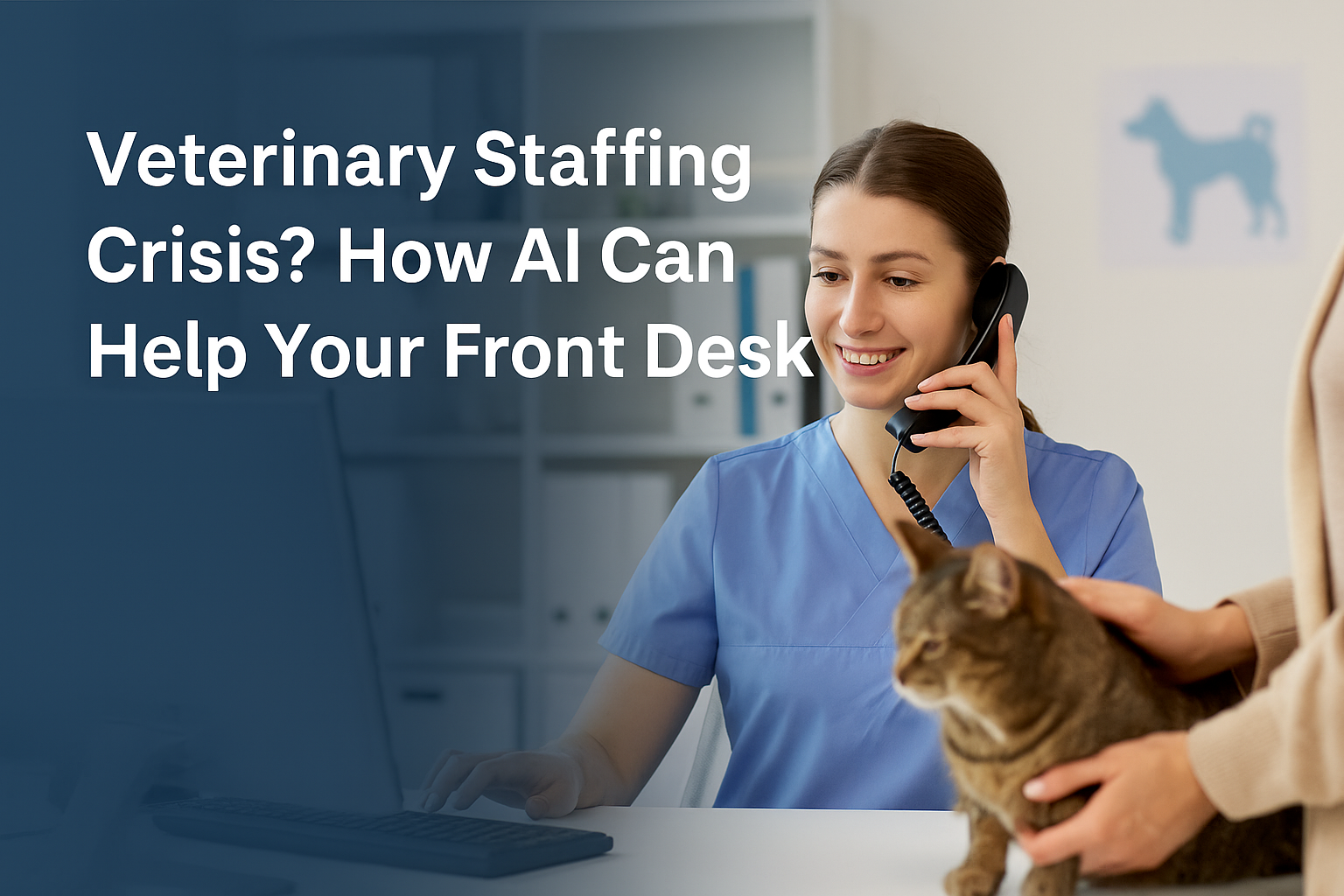
Enter the AI veterinary receptionist: a real-time voice agent that answers every call, understands veterinary context, books correctly, and routes emergencies—all while sounding like your practice.
What “Front Desk Overload” Looks Like in the Data
- Hold times stretch past 3–5 minutes at peaks
- Missed/abandoned calls climb to 15–25 per day
- Callbacks consume hours and re-trigger phone tag
- Schedule errors (wrong length/provider) cascade into overtime
- CSR turnover rises as pressure mounts
This is not a customer-service problem. It’s a capacity problem—and software can fix it faster than headcount.
Why AI Receptionists Are Different From Answering Services
|
Legacy Answering Service |
AI Veterinary Receptionist (DialIQ) |
|
Takes messages |
Acts immediately: books, routes, answers |
|
No clinical context |
Understands vet language and urgency |
|
Overnight only |
24/7 coverage with consistent tone |
|
Manual re-entry |
Direct PIMS sync (Cornerstone, ezyVet, AVImark) |
|
Opaque reports |
Full analytics: conversions, missed vs. captured |
Core Capabilities That Change the Game
1) Instant Pickup
Within one ring, callers are greeted by your branded voice. No more “we’re experiencing higher than normal call volumes.”
2) Contextual Understanding
“Limping since last night,” “ate something weird,” “overdue rabies” — DialIQ classifies and acts correctly.
3) Correct Booking, First Time
Mappings translate reasons to visit types and durations, honoring doctor availability, room resources, and blocked times.
4) Urgency Routing
Emergency keywords trigger on-call paging or ER partner transfer with clear documentation.
5) Omnichannel Follow-Through
Confirms by SMS/email, processes reschedules, and logs outcomes to the client record.
What Changes for Your Team (Week 1 vs. Week 6)
Week 1:
- Phones calm down.
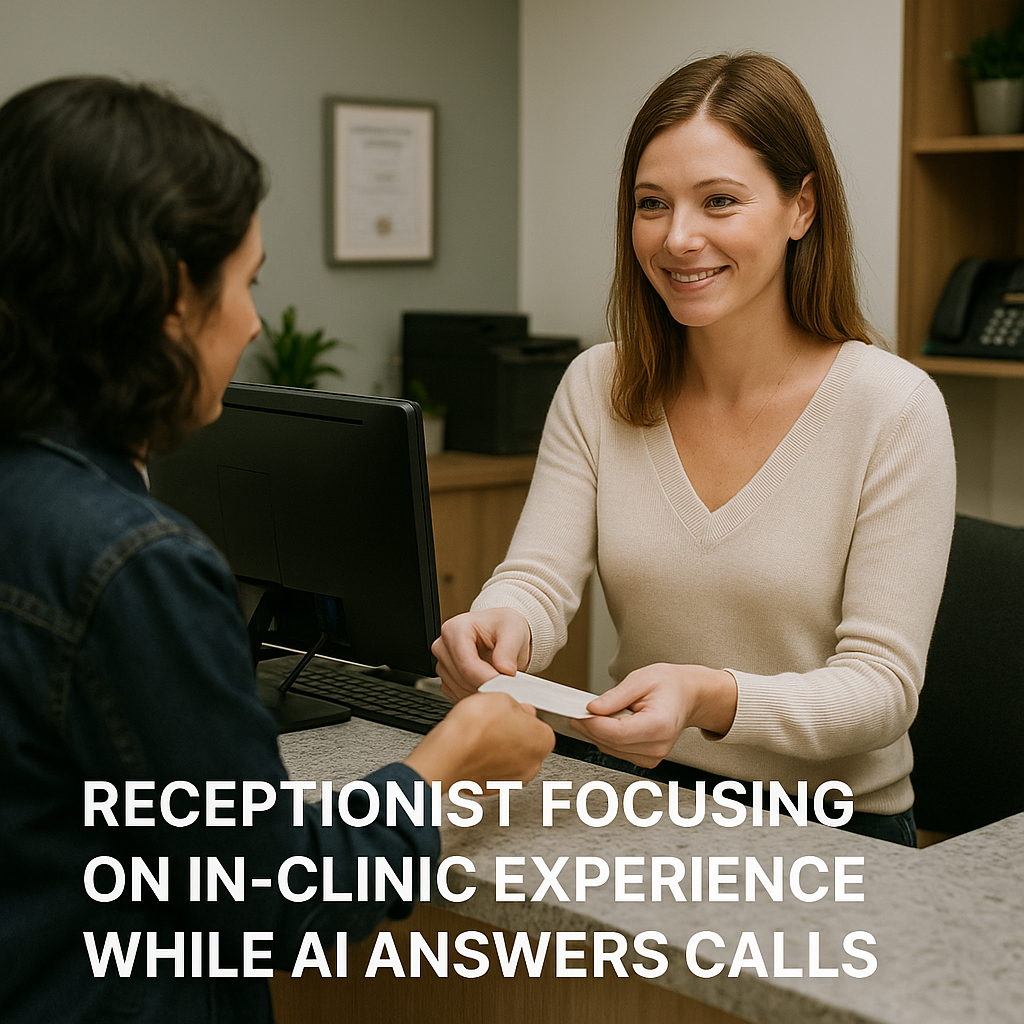
- CSRs focus on in-clinic clients.
- Managers see first analytics on missed-call recovery.
Week 6:
- Schedules run on time; fewer double bookings.
- No-shows drop with automated reminders.
- Staff morale improves; training shifts from “answer faster” to “care deeper.”
Real-World Outcomes Clinics Report
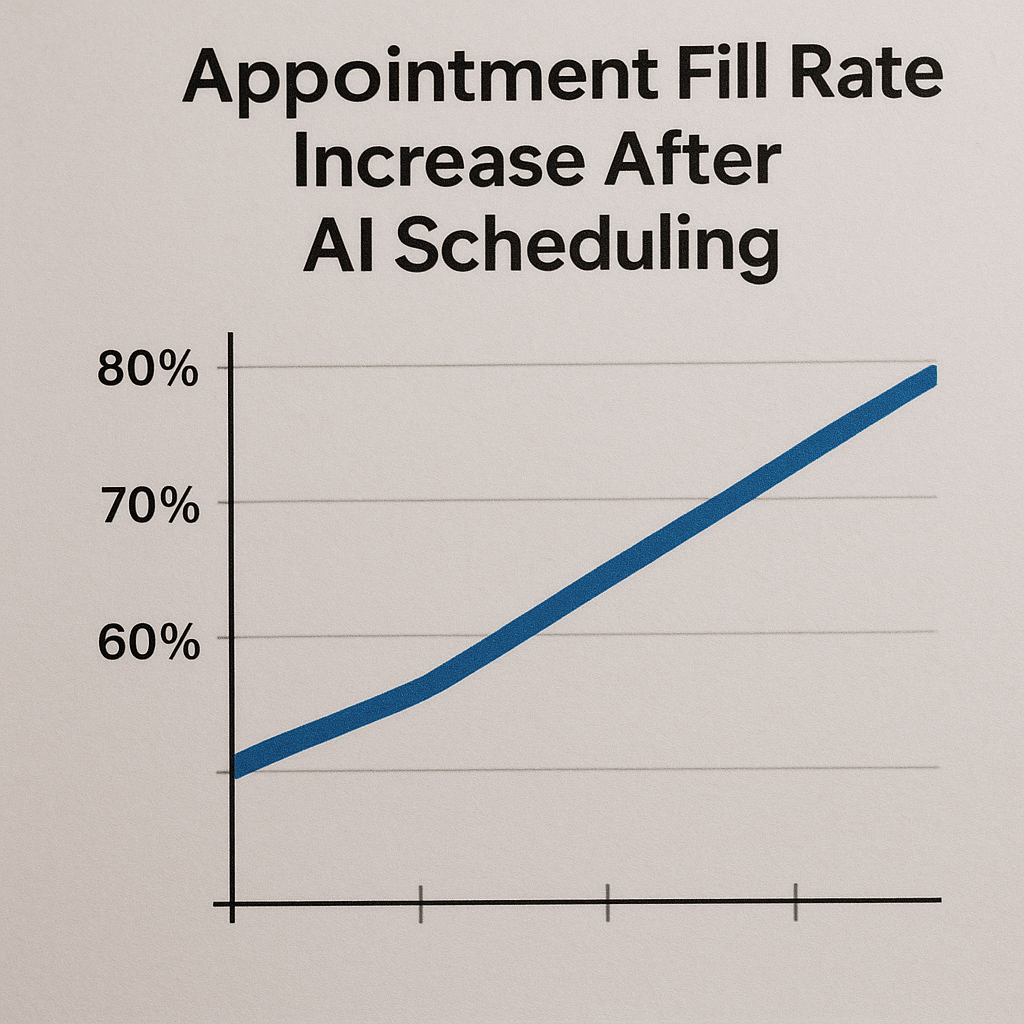
- Missed calls: −50–60%
- Appointment bookings: +30–40%
- No-shows: −20–30%
- CSR turnover: declines as workload normalizes
- Overtime: reduced via better slotting
These aren’t just cost savings; they’re care improvements. Pets are seen sooner, owners feel supported, and clinicians work from accurate schedules.
Implementation: Low Lift, High Impact
- Connect PIMS and import visit types
- Customize voice/greeting to match your brand
- Define triage rules and routing
- Pilot hours (after-hours or lunch) → expand to 24/7
- Review analytics weekly to tune slot rules and scripts
Most clinics are live in under 48 hours.
Addressing Common Concerns
“Will this feel robotic?”
No. You choose the voice, phrasing, and empathy statements. The system learns from real interactions to sound natural.
“What if it books incorrectly?”
Mappings and rules are tested in a sandbox, with guardrails for provider, species, and duration.
“Is our data safe?”
Yes—encrypted, access-controlled, and audit-logged. You own your records.
The Standard Is Shifting—Early Adopters Win
Within two to three years, AI receptionists will be as expected as online forms or SMS reminders. Clinics that adopt now set the local service bar, capture more inbound demand, and build stronger client loyalty.