Why Your Veterinary Practice Can't Afford to Miss Another Call

A veterinary phone answering service is a specialized solution that handles incoming calls for veterinary clinics 24/7. When your front desk is overwhelmed or your clinic is closed, these services use trained operators or AI to manage appointment scheduling, screen emergencies, and provide after-hours support, ensuring every pet owner receives immediate, professional assistance.
Quick Answer: What You Need to Know
- What it does: Answers calls, schedules appointments, screens emergencies, takes messages, and provides after-hours support
- How it works: Calls forward to the service, operators follow your custom protocols, and information syncs with your clinic systems
- Key benefits: 24/7 availability, reduced staff burnout, improved client retention, and no missed revenue opportunities
- Cost: Typically $175-$300/month for traditional services; AI solutions often start around $25/month
- Best for: Practices struggling with high call volumes, after-hours emergencies, or staffing challenges
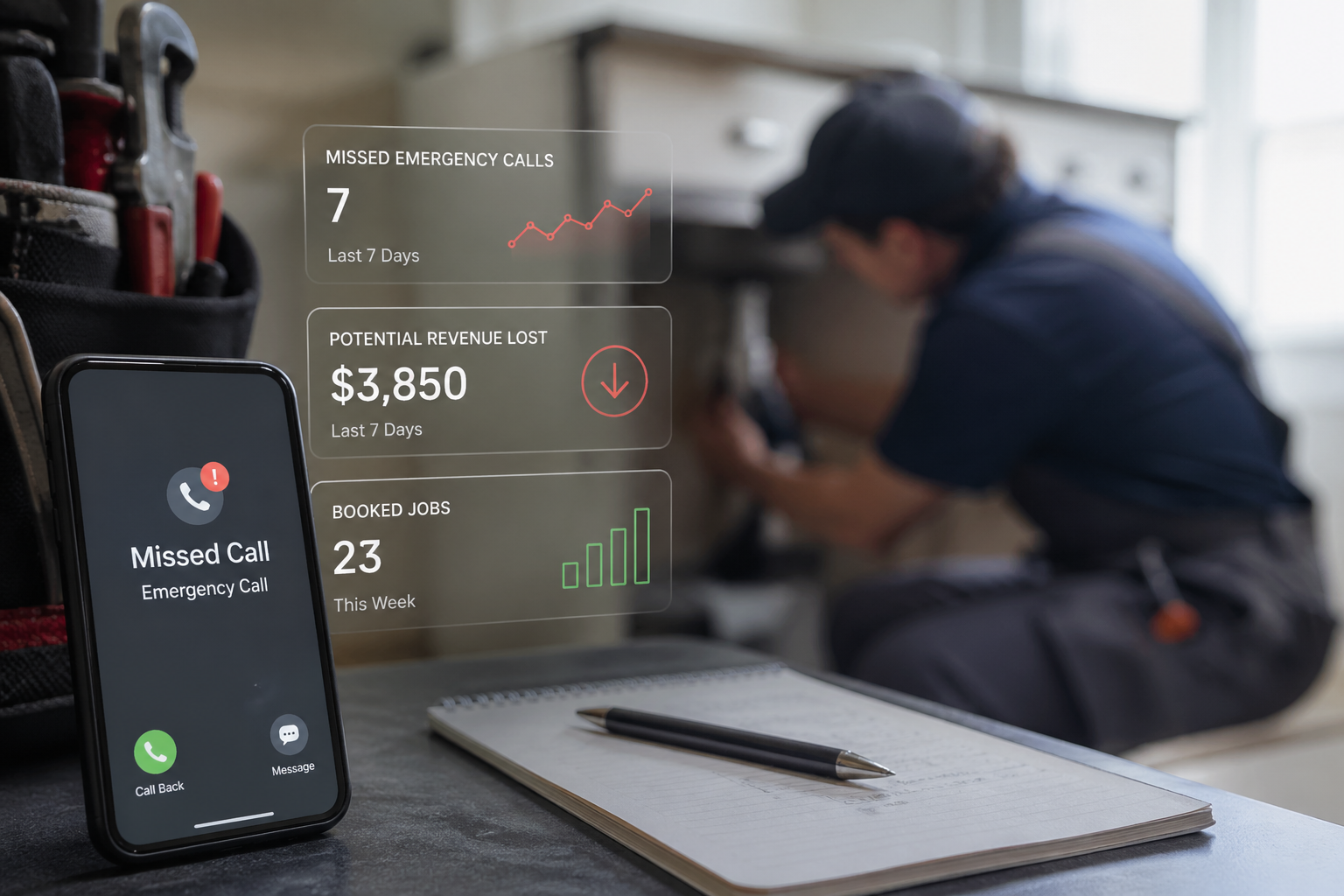
The chaos is real: your front desk juggles walk-ins while the phone rings non-stop. A worried pet owner calls at 10 PM and gets voicemail; by morning, they've called a competitor. Pet owners expect an immediate response, and research shows customers who receive excellent service spend up to 14% more. Many practices lose revenue simply because they can't answer every call.
The stakes are high. When a panicked pet parent reaches out, they need reassurance. How you handle (or miss) that call directly impacts whether they trust your practice. It's not just about answering phones; it's about building the professional image that reflects your quality of care.
I'm Shaunak, and I'm building DialIQ—an AI receptionist designed to solve this exact problem for veterinary practices and 40+ other industries facing the challenge of missed calls and overwhelmed front desks. Through extensive research into veterinary phone answering service solutions, I've seen how the right system can transform clinic operations and client satisfaction.
What is a Veterinary Answering Service and How Does It Work?
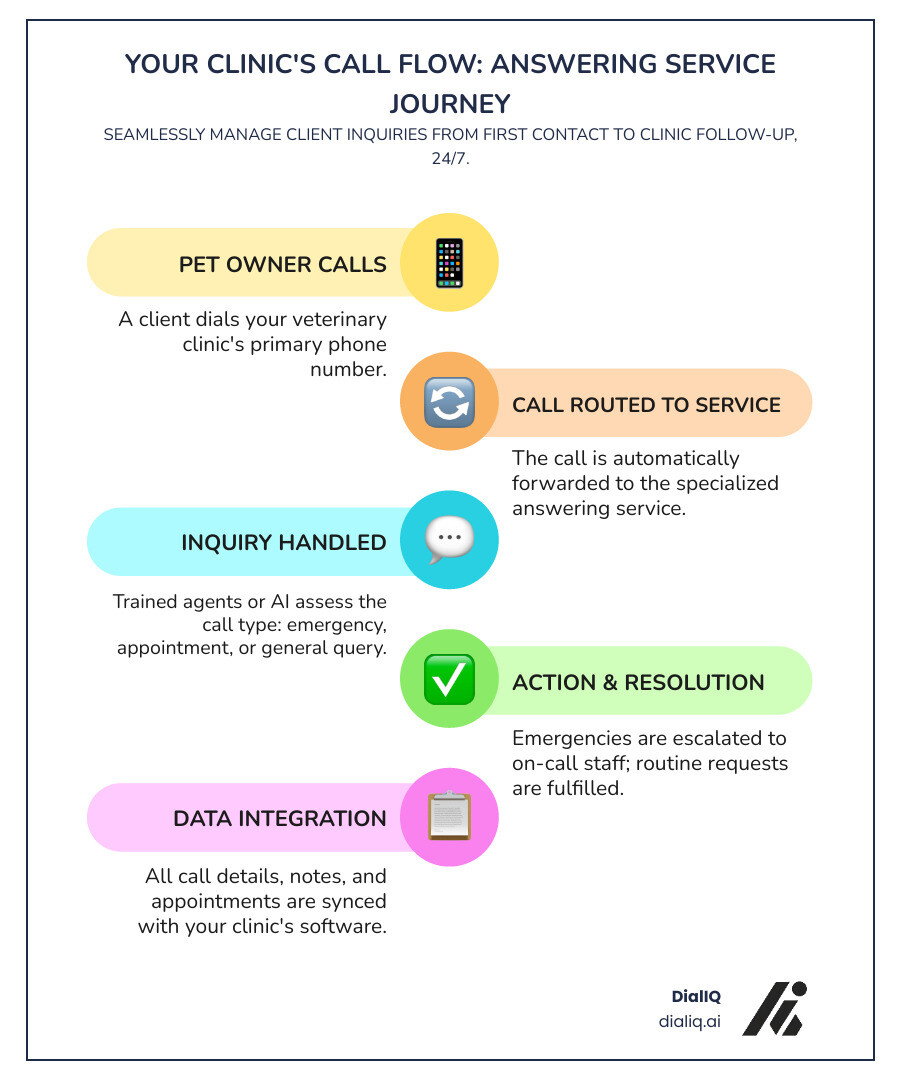
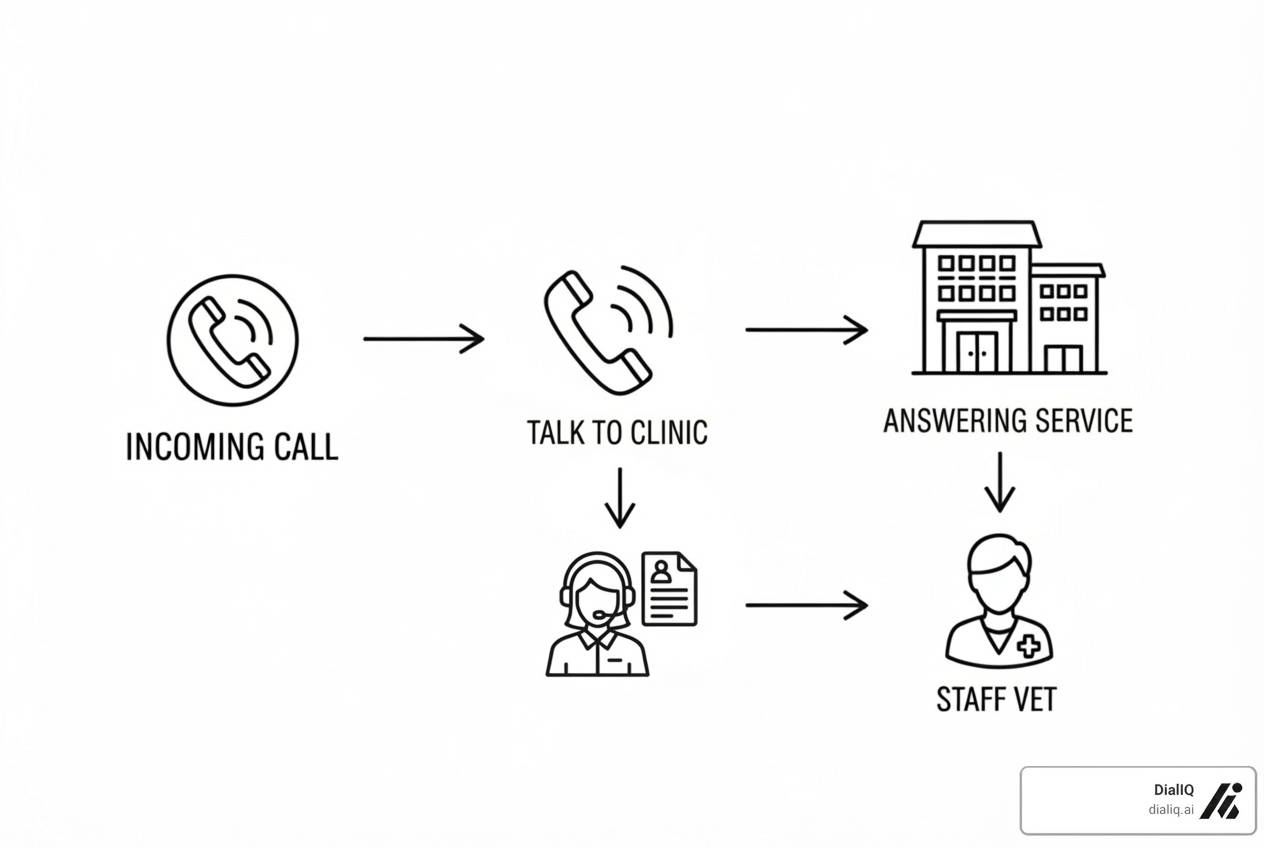
At its heart, a veterinary phone answering service acts as an extension of your clinic's front desk, ensuring every call is handled professionally, anytime. When a client calls your clinic's main number, the call is automatically forwarded to the service. This can happen 24/7, during specific after-hours, or as an overflow solution when your lines are busy. A virtual receptionist or AI system then answers the call, following your clinic's custom protocols.
This round-the-clock availability means no call goes unanswered, providing invaluable after-hours support and business continuity during emergencies. It’s like having a receptionist who never sleeps and is always ready with a calm, caring voice for worried pet owners.
Core Services Offered
A good veterinary phone answering service offers a suite of functionalities designed to manage your call flow and support your administrative tasks. These typically include:
- Appointment Scheduling: Virtual receptionists or AI can access your practice management software to book, reschedule, and confirm appointments in real-time, keeping your calendar full and managing patient reminders.
- Emergency Call Screening: Services are trained (or programmed) to identify urgent situations, gather necessary information, and immediately contact your on-call veterinarian, ensuring critical cases get prompt attention.
- Message Taking: For non-urgent inquiries, the service takes detailed messages and relays them to your staff via email, text, or a secure portal, ensuring no information is lost.
- Call Patching: When an urgent call comes in, the service can directly patch the caller through to the appropriate staff member or on-call vet.
- FAQ Handling: Answering services can be equipped with a knowledge base to answer routine questions about clinic hours, services, and directions, freeing up your in-house staff.
- Prescription Refill Requests: Handling these requests efficiently saves time. The service can take down the necessary details and forward them to your team for processing.
Integrating with Veterinary Appointment Scheduling Software means that these services can become a truly seamless extension of your practice, operating as if they were right there in your office.
The Transformative Benefits for Your Veterinary Practice
Implementing a veterinary phone answering service improves your practice's operations, client relationships, and staff well-being. It creates a more efficient, compassionate, and profitable environment by allowing your skilled professionals to focus on providing critical care.
Enhancing Client Experience and Retention
Our research shows that pet owners expect a high level of care, starting with the first phone call. A positive first impression is crucial.
- Immediate Response: Pet owners expect an answer right away. Sending them to voicemail often leads them to a competitor. 24/7 availability turns potential frustration into a positive interaction.
- Compassionate Communication: Services are designed to handle stressful situations with empathy, making clients feel heard and building trust.
- Building Trust: When clients know they can reach you anytime for professional assistance, it builds a strong sense of trust. Automated reminders and check-ins further show you care.
- Reducing Client Anxiety: A calm, knowledgeable voice can significantly reduce a worried pet parent's anxiety, whether it's an emergency or a routine question.
- Positive First Impressions: Prompt, professional support reflects the quality of care you provide and is vital for client acquisition. Clients who receive excellent service spend up to 14% more.
By making every interaction positive, we help you build lasting relationships and boost client retention. This is where Veterinary Client Communication AI can play a significant role.
Alleviating Staff Burnout and Improving Focus
The administrative load on veterinary staff can be immense, contributing to burnout. A veterinary phone answering service can significantly lighten this burden.
- Fewer Interruptions: Constant phone calls are a major distraction. By handling routine inquiries and scheduling, the service lets your team concentrate on the animals in their care.
- Reduced Administrative Load: Automating tasks like scheduling, confirmations, and answering FAQs streamlines administrative processes and reduces the workload on your staff.
- Better Work-Life Balance: After-hours coverage means your staff doesn't have to be on call 24/7, improving their work-life balance and reducing stress, mitigating the Veterinary Staffing Crisis: How AI Can Help Your Front Desk.
- Empowering Techs to Focus on Animals: When routine calls are handled externally, your veterinary professionals can focus on providing critical care, improving patient outcomes and job satisfaction.
Mastering After-Hours and Emergency Calls
Pet emergencies don't adhere to business hours. A robust veterinary phone answering service is essential for managing these critical situations.
- Custom Emergency Protocols: We work with you to define emergencies and set clear protocols for handling them, including what information to gather and when to escalate.
- On-Call Vet Dispatch: In a genuine emergency, the service can instantly dispatch or patch the call to your designated on-call veterinarian for a rapid response.
- Peace of Mind for Pet Owners: Knowing a capable service is always available to assess their pet's situation provides immense peace of mind.
- Differentiating Emergencies: A skilled service can triage calls, guiding non-emergencies to the next business day and prioritizing critical cases. This prevents unnecessary disturbances for your on-call staff, a function often improved by Veterinary Triage AI.
The Financial Case: Cost vs. In-House Staffing
When considering a veterinary phone answering service, the cost is a key factor. While there's an upfront expense, the savings compared to hiring in-house staff are substantial. A full-time receptionist involves a salary plus benefits, training, overhead, and payroll taxes, which can add 30-40% to their base pay. You also have to account for downtime from sick days and vacations.
In contrast, a veterinary phone answering service offers predictable monthly plans, often ranging from $175/month for traditional services to as low as $24.95/month for AI solutions. These plans provide 24/7 coverage for a fraction of the cost of one employee.
- Scalability: Answering services handle fluctuating call volumes without you needing to hire or lay off staff. You pay for what you need.
- Maximizing Revenue: By answering every call and scheduling appointments, these services prevent lost opportunities and directly contribute to revenue. Customers with excellent service spend up to 14% more.
- Avoiding High Per-Minute Charges: Modern AI solutions offer predictable monthly costs, allowing for better budget control. Some services offer usage-based billing where you only pay for documented work time.
Here's a simplified comparison:
| Cost Factor | In-House Receptionist (Annual Estimate) | Veterinary Answering Service (Annual Estimate) |
|---|---|---|
| Salary (approx. $18-25/hr) | $37,440 - $52,000 | $0 |
| Benefits (30-40% of salary) | $11,232 - $20,800 | $0 |
| Training & Onboarding | $2,000 - $5,000 | Minimal/Included |
| Office Space & Equipment | $1,200 - $3,600 | $0 |
| Paid Time Off/Sick Leave | $1,500 - $3,000 | $0 (Service always available) |
| Total Estimated Annual Cost | $53,372 - $84,400 | $300 - $3,600 (AI) / $2,100 - $6,000 (Live) |
| 24/7 Coverage | Requires multiple staff/overtime | Included in service |
Note: In-house costs are estimates and can vary widely by region and experience. Answering service costs are typical ranges.
How to Choose the Right Veterinary Phone Answering Service
Choosing the right veterinary phone answering service is a critical decision. It's not a one-size-fits-all solution, so you must consider several factors to ensure the service integrates seamlessly and upholds your clinic's values.

What to look for when choosing a veterinary phone answering service provider
When evaluating providers, keep this checklist in mind:
- 24/7 Live Operators (or AI): Ensure they provide round-the-clock coverage, especially for after-hours emergencies. Some providers offer US-based services, which can be a plus.
- Bilingual Support: If your client base is diverse, bilingual support (e.g., English and Spanish) can significantly improve client satisfaction.
- Software Integration Capabilities: The service must integrate with your practice management software for seamless scheduling and data transfer. Integration platforms like available for integration with Zapier can connect to thousands of applications.
- Customization Options: Look for a provider that can tailor services, scripts, and call handling to your specific protocols.
- Experience in the Veterinary Field: Providers who understand veterinary practices are better equipped to handle the urgent and emotional nature of pet owner calls.
- Transparent Billing: Understand the pricing model—per minute, per call, or a flat monthly fee. Look for transparent billing that is cost-effective.
- Trial Periods: A free or low-cost trial is an excellent way to test the service before committing.
For a deeper dive into integration possibilities, explore Best Veterinary Software Integrations.
Ensuring Professionalism and Customization
Your veterinary phone answering service is often the first point of contact for clients, making professionalism paramount.
- Custom Call Scripts: The provider should help develop detailed scripts that reflect your clinic's tone and policies for consistent and accurate call handling.
- Operator Training Process: Inquire about their operator training. Do they understand veterinary terminology and the emotional context of calls? For AI, this means robust programming and continuous learning.
- Handling Different Practice Types: The service should be adaptable to your practice type, whether it's small animal, large animal, exotic, or emergency.
- Maintaining Your Clinic's Unique Brand Voice: The service should represent your business professionally, making callers feel they are speaking with a member of your team. This ensures client satisfaction and improves your company image.
This level of detail ensures that your Veterinary Call Answering Service is not just a call-taker but a true partner in client communication.
Prioritizing Data Privacy and Security
Protecting client and patient information is non-negotiable. When choosing a veterinary phone answering service, data privacy and security must be a top priority.
- Client Confidentiality: The service must have stringent measures to protect sensitive client and pet data.
- Data Protection Regulations: Ensure the service adheres to best practices for data protection and complies with relevant privacy laws.
- Secure Messaging Platforms: Messages and call summaries should be relayed via secure, encrypted channels to prevent unauthorized access.
- Regular Audits and Updates: A reputable provider will regularly audit its security protocols and update its systems against cyber threats.
For more information on general data privacy, you can refer to the Google Privacy Policy and Google Terms of Service. We guarantee 100% privacy; your information will not be shared.
The Rise of AI in Veterinary Client Communication
Veterinary medicine is rapidly embracing technology, and AI systems are becoming essential tools. The veterinary phone answering service is no exception. AI is changing how clinics manage calls and interact with clients using tools like Natural Language Processing (NLP) for conversational responses and smart call routing to direct inquiries appropriately. AI services also provide call recordings, transcripts, and data-driven insights to help improve your practice.
This new wave of technology is truly ushering in an exciting era for AI for Vets.
How AI Receptionists are Revolutionizing the Veterinary Phone Answering Service
An AI Veterinary Receptionist is a smart virtual helper that handles calls and books appointments with unparalleled efficiency and consistency.
- Instantaneous Responses: AI can handle unlimited calls simultaneously, so pet owners never wait on hold or get sent to voicemail.
- Unlimited Call Handling: AI doesn't get overwhelmed during peak hours, ensuring every client receives prompt attention.
- Cost-Effectiveness: AI services offer 24/7 coverage for a low, predictable monthly cost, significantly reducing operational expenses.
- Consistency: AI applies your clinic's protocols perfectly every time, ensuring a consistent, professional experience.
- Personalization: Advanced AI can use client and pet names and recall past conversations to make interactions feel more personal.
- Balancing Technology and Human Touch: The goal is to empower your staff, not replace them. AI handles routine tasks, freeing your team for complex cases and in-person care, Balancing technology and the human touch.
Comparing Traditional Answering Services vs. AI Solutions
When considering a veterinary phone answering service, you have two main options: traditional human-operated services and modern AI solutions. The best choice depends on your clinic's needs.
| Feature | Traditional Answering Service (Live Operators) | AI Veterinary Answering Service |
|---|---|---|
| Human Touch | Offers direct human interaction, which some clients prefer for complex emotional issues. | Designed for natural conversation and empathetic responses, but fundamentally AI. |
| Efficiency | Limited by the number of operators; can experience wait times during peak hours. | Handles unlimited calls simultaneously; instantaneous responses. |
| Consistency | Can vary slightly between operators due to human factors (mood, training level). | 100% consistent application of protocols and scripts, no "bad days." |
| Scalability | Requires hiring more operators to handle increased call volume. | Infinitely scalable; handles any volume without additional staff or increased cost per call. |
| Cost | Generally higher due to labor costs; often per-minute or per-call charges. | Lower, predictable monthly costs; significant operational cost reduction. |
| Training Time | Requires ongoing training and retraining for human staff. | Learns protocols instantly and maintains perfect consistency; no ramp-up period. |
| Data Insights | Limited to manual reporting or basic call logs. | Provides advanced data analytics, call recordings, and transcripts for insights. |
| After-Hours | Requires dedicated night/weekend staff, increasing costs. | 24/7 availability at no extra cost, ensuring no call is missed. |
Both options have their merits. Traditional services offer the comfort of a human voice, but AI solutions provide superior efficiency, consistency, and cost-effectiveness. Our deeper dive into Veterinary Answering Service vs. AI provides more detail.
Frequently Asked Questions about Veterinary Answering Services
We get a lot of questions about veterinary phone answering services, and for good reason! It's a significant step to outsource such a vital part of your practice. Let's tackle some of the most common inquiries.
How much does a veterinary answering service cost?
The cost of a veterinary phone answering service varies based on the service type (live operator vs. AI) and call volume.
- Traditional Live Operator Services: These typically range from $175 to $300 per month for basic plans. Pricing is often based on the amount of time operators spend on calls, with additional charges for high call volumes. Some providers emphasize charging only for documented working time, which can be more cost-effective.
- AI-Powered Answering Services: These are generally more cost-effective, with plans starting as low as $24.95 per month. AI can handle unlimited calls without increasing the per-call cost, making it highly scalable.
It's best to get a custom quote for your practice's specific needs. Many providers also offer trial periods.
Can an answering service integrate with my existing clinic software?
Yes, modern veterinary phone answering services, especially AI-powered ones, are designed for seamless integration.
- Appointment Scheduling: Services can access your practice management software to book, reschedule, and confirm appointments in real-time.
- CRM & Data Integration: Client information can be sent directly to your CRM. Through platforms like available for integration with Zapier, a service can integrate with over 6000 applications, enabling automated data flow.
- Information Transfer: Call summaries, messages, and alerts can be automatically sent to your clinic's internal communication channels, keeping your team synchronized.
This integration ensures that the answering service acts as a true extension of your front desk.
Will my clients know they're talking to a service and not my staff?
This is a common concern, and a good veterinary phone answering service aims to make the interaction as seamless as possible.
- Professionalism and Customization: Services train their operators (or program their AI) to use your clinic's specific greeting and tone, so callers feel they are speaking with a member of your team.
- Natural Language: AI receptionists use natural, empathetic conversation and can be programmed to personalize the call with client and pet names.
- Focus on Helpfulness: Clients prioritize getting quick, helpful assistance. If their needs are met efficiently and professionally, they are generally satisfied. As one provider noted, "Your customers will not know that you have a shared receptionist taking care of your phone calls. All they will know is that you are awesome!"
The best services provide such a seamless experience that callers may not even realize they are speaking with a third-party service.
Conclusion
The journey of managing a veterinary practice is filled with unique challenges, from the emotional nuances of pet ownership to the relentless demands of 24/7 care. A well-chosen veterinary phone answering service isn't just an expense; it's a strategic investment that pays dividends in every aspect of your operation.
We've seen how these services can:
- Empower Your Staff: By taking the burden of constant phone calls, they free your dedicated team to focus on what truly matters—providing exceptional patient care and reducing the risk of burnout.
- Improve Client Care: With 24/7 availability, compassionate communication, and efficient handling of emergencies, you build stronger client relationships, increase satisfaction, and foster loyalty.
- Drive Growth and Revenue: Never missing a call means never missing an opportunity. From capturing new clients to streamlining appointments, these services directly contribute to your practice's success.
The future of veterinary communication is here, and it's intelligent, efficient, and deeply empathetic. Purpose-built AI solutions, like those we offer at DialIQ, are designed to seamlessly integrate with your practice, ensuring every call is answered, every appointment is scheduled, and every opportunity is captured.
Ready to transform your practice? Discover how an AI Veterinary Receptionist can transform your practice.