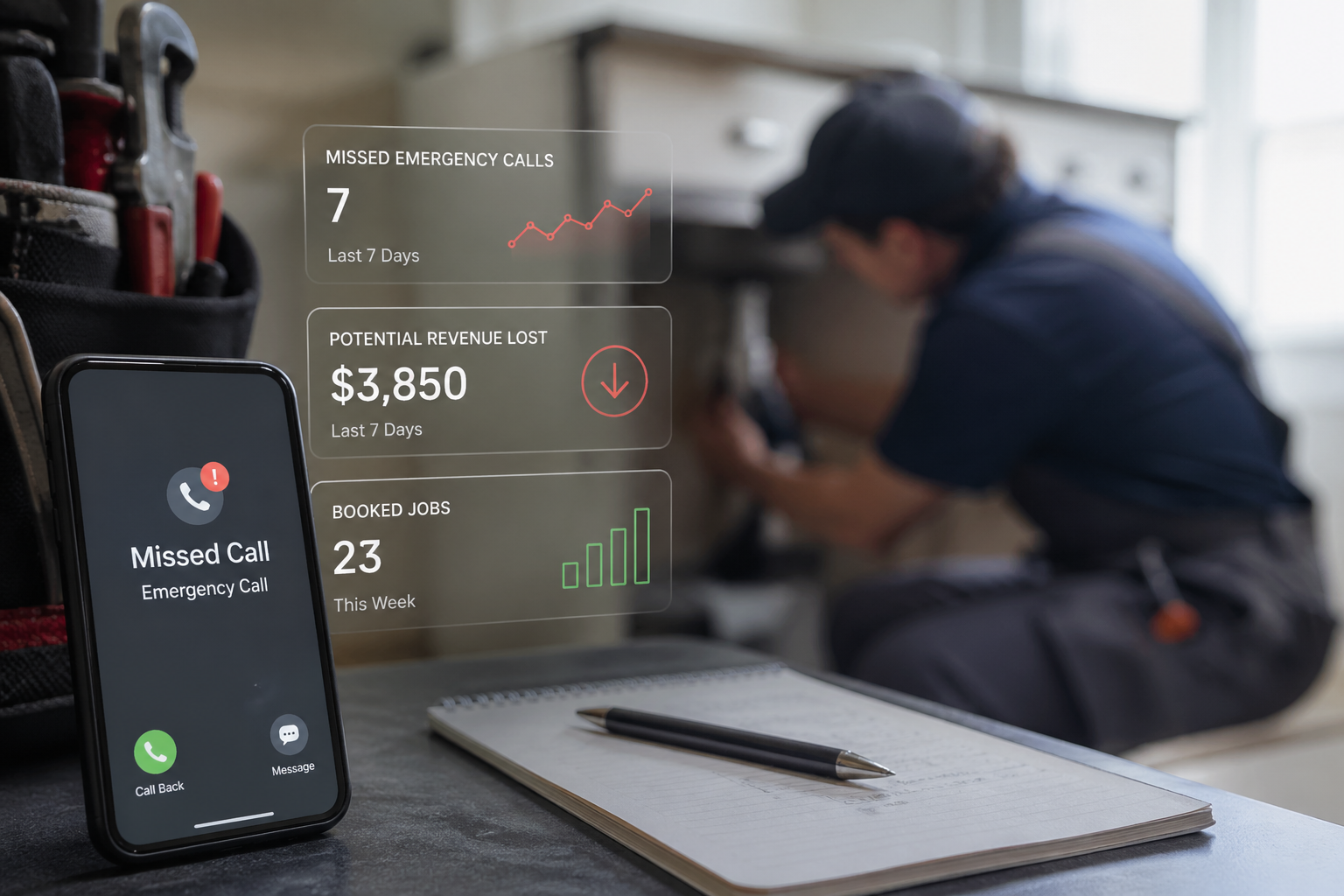
Every missed call to your personal injury law firm represents a potential six-figure case walking out the door. The statistics are sobering: 67% of potential clients who reach voicemail never call back, and 78% of personal injury cases go to the first attorney who responds. If your firm misses calls during consultations, court appearances, or after business hours, you're hemorrhaging cases to competitors who answer first.
The average personal injury case settles for $52,000, with complex cases reaching seven figures. Missing just three calls per week costs firms an estimated $250,000 to $500,000 annually in lost case value. During high-volume periods following major accidents or storms, that number skyrockets. Traditional reception solutions can't scale to meet demand, and human receptionists can't work 24/7. That's where AI phone systems designed specifically for personal injury law are transforming how firms capture and qualify cases.
The Critical Window: Why Response Time Determines Case Capture
Personal injury cases operate on an urgency timeline that most practice areas don't face. A potential client calling after a car accident, workplace injury, or medical malpractice incident is experiencing acute stress and pain. They're highly motivated to find representation immediately, often calling multiple firms in rapid succession.
Research from legal marketing firm Clio shows that attorneys who respond within five minutes are 100 times more likely to secure the client compared to those who respond after 30 minutes. Yet the average law firm takes 42 hours to return a new client inquiry. This delay isn't due to negligence, it's a capacity problem that traditional staffing can't solve.
Consider the typical scenario: A construction worker suffers a serious fall at 6:30 PM. From his hospital bed, he starts calling personal injury attorneys. Your firm's office closed at 5:30 PM. His call goes to voicemail while your competitor using an AI phone system immediately answers, expresses empathy, gathers preliminary case details, and schedules a consultation for the next morning. By the time your firm returns the call the following afternoon, he's already retained counsel.
The cost isn't just one lost case. That client might have referred family members, left positive reviews, or become a source of multiple cases over time. The lifetime value of a single client relationship in personal injury law can exceed $200,000 when accounting for referrals and repeat business.
How AI Phone Systems Transform Personal Injury Case Intake
An AI phone system for personal injury lawyers functions as an intelligent first point of contact that never sleeps, never takes vacation, and handles unlimited call volume simultaneously. Unlike generic answering services, these systems are specifically trained on personal injury law intake protocols, qualifying questions, and urgent case identification.
Modern AI receptionists like Dialiq can conduct sophisticated intake conversations that rival experienced legal assistants. The system greets callers professionally, expresses appropriate empathy for their situation, and begins gathering critical case information through natural conversation. It asks qualifying questions about the injury type, accident date, liability factors, insurance coverage, and statute of limitations concerns.
The AI identifies urgent cases requiring immediate attorney attention. If a caller mentions a statute of limitations deadline approaching in days, severe injuries requiring emergency treatment, or evidence preservation issues, the system can immediately escalate to an on-call attorney via text or call. For standard intakes, it captures comprehensive information and schedules consultations directly into attorney calendars based on case type and availability.
Integration with your legal CRM means every conversation is documented automatically. The AI syncs with platforms like Clio, MyCase, and Lawmatics, creating client records, logging call notes, and triggering follow-up workflows. Your team arrives each morning with organized intake information rather than voicemails requiring transcription and manual data entry.
Real-World Results: Law Firms Winning More Cases with AI
A mid-sized personal injury firm in Phoenix, implemented an AI phone system in May 2025 after missing an estimated 200+ calls the previous year. The results transformed their practice economics. In the first six months, the firm captured 147 additional case intakes compared to the same period the previous year, representing a 340% increase in after-hours case acquisition.
Partner Maria Martinez explains: "We were losing cases we didn't even know about. Our receptionist would find voicemails from three days prior, and by the time we called back, prospects had hired someone else. Now, our AI receptionist handles the initial conversation immediately, day or night. We've signed cases from calls that came in at 2 AM on weekends that we would have completely missed before."
The financial impact was substantial. Of those 147 additional intakes, 89 became retained cases with an average case value of $47,000, generating $4.18 million in potential case value. Even accounting for contingency fees and case costs, the firm projected an additional $1.39 million in revenue directly attributable to the AI phone system. Their investment? Just $699 per month for the business-tier service.
Another Group in Atlanta saw similar results in a different scenario. As a high-volume personal injury firm handling 400+ active cases, their reception staff was overwhelmed during peak call periods. Callers frequently experienced hold times exceeding 10 minutes, leading to abandoned calls and frustrated potential clients.
After implementing an AI phone system to handle overflow and after-hours calls, their case intake increased by 73% while reducing staffing stress. The AI system now handles approximately 60% of incoming calls, managing initial intake while reception staff focuses on complex inquiries and supporting existing clients. Partner James Thompson notes: "The AI doesn't replace our staff, it multiplies their effectiveness. Our team works on high-value activities while the AI handles the volume we couldn't previously manage."
Essential Features for Personal Injury AI Phone Systems
Not all AI phone systems are created equal, especially for the unique demands of personal injury law. When evaluating solutions, personal injury attorneys should prioritize these critical capabilities:
Intelligent Case Qualification: The system must ask appropriate screening questions to determine case viability. This includes injury severity, liability clarity, insurance coverage, statute of limitations status, and potential damages. The AI should be trained to identify red flags like pre-existing injury claims, questionable liability scenarios, or cases outside your firm's practice focus.
Empathetic Communication: Personal injury clients are often calling during traumatic moments. Your AI receptionist needs to communicate with appropriate empathy and compassion while remaining professional. The best systems allow customization of tone and personality to match your firm's brand, whether that's aggressive advocacy or compassionate counsel.
Urgent Case Escalation: The AI must recognize situations requiring immediate attorney attention. When a caller mentions impending statute deadlines, evidence destruction risks, or severe injuries, the system should have protocols to immediately alert attorneys via text, email, or phone call. You can't afford to wait until morning for time-sensitive case opportunities.
Bilingual Capability: Many personal injury clients are more comfortable speaking Spanish or other languages. AI phone systems with multilingual support can conduct full intake conversations in the caller's preferred language, dramatically expanding your potential client base. Dialiq offers support for Spanish, Mandarin, and 50+ additional languages.
CRM Integration: Seamless integration with legal practice management software is non-negotiable. The AI should automatically create client records in Clio, MyCase, Lawmatics, or your existing system, including call recordings, intake notes, and follow-up tasks. Manual data entry wastes attorney and staff time while introducing error risk.
Appointment Scheduling: The AI should access attorney calendars to schedule consultations based on case type, attorney specialization, and availability. For complex cases, it might route to senior partners. For straightforward matters, it could schedule with associates. The system should send automated confirmation and reminder messages to reduce no-shows.
Call Analytics and Recording: Comprehensive analytics help you understand call patterns, conversion rates, and case source tracking. Call recordings provide quality assurance and can be reviewed for training purposes. You should be able to track which marketing channels generate calls, conversion rates by injury type, and peak call times to optimize staffing.
Implementation: Getting Your AI Phone System Running in 48 Hours
Many attorneys worry that implementing new technology will disrupt operations or require extensive IT resources. Modern AI phone systems are designed for rapid deployment with minimal technical expertise required. Here's what the implementation process actually looks like with solutions like Dialiq:
Day 1 - Initial Setup (2-3 hours): You'll complete an onboarding call with the provider to define your intake workflow, qualifying questions, and escalation protocols. The system is programmed with your firm's information, practice areas, attorney bios, and scheduling preferences. You'll record a brief greeting message or choose from professional voice options that match your brand personality.
Day 1-2 - Integration Configuration (3-4 hours): The technical team connects the AI system to your existing phone numbers (no number changes required), legal CRM, and calendar systems. Most integrations use existing API connections that take minutes to authorize. You'll test call flows to ensure proper routing and review sample intake conversations for quality assurance.
Day 2 - Soft Launch (1 day): The AI system goes live in parallel with your existing reception for one business day. This allows you to compare performance, identify any adjustment needs, and gain confidence in the system. Staff can monitor calls and step in if needed, though this rarely proves necessary.
Day 3 - Full Deployment: The AI phone system takes over as your primary after-hours solution and overflow support. Your team receives training on the management dashboard, call review tools, and escalation procedures. Most firms are fully operational within 48 hours of initial setup.
The beauty of AI phone systems is continuous improvement. As the system handles more calls, it learns your firm's preferences and improves response quality. You can adjust scripts, qualifying questions, and workflows anytime through an intuitive dashboard without waiting for technical support.
ROI Analysis: What Personal Injury Firms Actually Save and Earn
The return on investment for AI phone systems in personal injury law is among the highest of any practice management technology. Let's break down the actual economics using a mid-sized firm handling 50 active cases with 3 attorneys as an example:
Cost Savings:
- Traditional receptionist (fully loaded): $45,000 annually
- After-hours answering service: $6,000 annually
- Missed call opportunity cost: $300,000 annually (estimated 8 cases at $37,500 average)
- Staff overtime during peak periods: $8,000 annually
- Total cost of current approach: $359,000 annually
AI Phone System Investment:
- Dialiq Business Plan: $8,388 annually ($699/month)
- Implementation time cost: $2,000 (one-time)
- Total first-year cost: $10,388
Additional Case Capture:
- Conservative estimate: 25 additional cases annually
- Average case value: $42,000
- Contingency fee (33%): $14,000 per case
- Additional revenue: $350,000 annually
Net First-Year Benefit: $339,612
This assumes you maintain one receptionist for complex inquiries and existing client service. The ROI becomes even more compelling for solo practitioners or small firms where the AI can fully replace a reception position while dramatically improving case capture rates.
The economics improve in year two and beyond. Martinez & Associates, the Phoenix firm mentioned earlier, calculated their three-year ROI at 4,700% when accounting for referred cases and client lifetime value. Even using conservative projections that exclude referral business, most personal injury firms see ROI exceeding 1,000% in the first year.
Integration with Your Legal Technology Stack
A common concern among personal injury attorneys is whether AI phone systems will integrate seamlessly with their existing technology investments. The good news: modern AI platforms are built for integration, not replacement of your current tools.
Legal CRM Platforms: Dialiq integrates natively with major legal CRM systems including Clio, MyCase, Lawmatics, PracticePanther, and Smokeball. When the AI completes an intake call, it automatically creates a contact record, logs the conversation, attaches call recordings, and can trigger automated follow-up sequences. For firms using Salesforce or HubSpot, direct integrations ensure no data silos.
Calendar Systems: The AI accesses your Google Calendar, Outlook, or Calendly to schedule consultations based on real-time availability. You control scheduling rules like buffer times, case type requirements, and attorney preferences. Automated reminders reduce no-shows by an average of 40%.
Document Automation: When integrated with document assembly tools like HotDocs or Clio Draft, the AI can trigger automatic generation of engagement letters, intake forms, and follow-up correspondence based on case type. This eliminates manual document preparation for standard matters.
Communication Platforms: For firms using Slack or Microsoft Teams for internal communication, the AI can post intake notifications to specific channels. Urgent case alerts can trigger immediate team notification, ensuring rapid response to time-sensitive opportunities.
Marketing Attribution: Connection to call tracking platforms like CallRail or CallTrackingMetrics maintains your marketing ROI visibility. You'll know which advertising channels drive calls and which convert to cases, enabling data-driven marketing optimization.
The integration setup process is straightforward, typically requiring only authorization of API access. Most firms complete all integrations within their first day of implementation. For firms with custom or legacy systems, Dialiq offers Zapier integration connecting to 5,000+ applications.
Compliance, Security, and Attorney-Client Privilege
Personal injury attorneys rightfully prioritize client confidentiality and ethical compliance when evaluating any technology that handles sensitive information. AI phone systems designed for legal practices are built with these concerns as foundational requirements.
Attorney-Client Privilege Protection: The AI is programmed to collect only preliminary case information during initial intake, avoiding creation of attorney-client relationships until formal engagement. The system can be configured to provide appropriate disclaimers and clearly communicate that intake conversations are for evaluation purposes only.
Data Security and Encryption: Enterprise-grade AI phone systems use bank-level encryption for all call data, recordings, and transcripts. Data is encrypted in transit and at rest, with access limited to authorized firm personnel. SOC 2 Type II certification ensures ongoing security compliance verification.
State Bar Compliance: The system adheres to state bar regulations regarding advertising, client communication, and technology usage. Customizable disclaimers ensure compliance with jurisdiction-specific requirements. For states with specific answering service regulations, the AI can be configured to meet those standards.
Call Recording Consent: The AI can be programmed to notify callers of recording based on your state's one-party or two-party consent requirements. Recordings are stored securely and accessible only to designated firm personnel for quality assurance and dispute resolution.
Business Associate Agreements: While personal injury intake typically doesn't involve HIPAA-protected health information, firms handling cases with medical record exchange can request Business Associate Agreements for additional protection.
Most state bars have embraced technology-assisted client intake, viewing AI phone systems as tools that improve access to justice by ensuring potential clients receive timely responses. The key is implementation that maintains professional standards and ethical obligations, which reputable AI phone system providers prioritize in their platform design.
Making the Decision: Is AI Phone Technology Right for Your Firm?
AI phone systems aren't just for large firms with massive call volume. The technology scales beautifully from solo practitioners to multi-office firms handling thousands of cases annually. However, the decision should be based on your specific practice characteristics and growth objectives.
You're an ideal candidate if:
- You're missing calls during consultations, court appearances, or depositions
- Your firm doesn't answer phones after 5 PM or on weekends
- You're spending significant money on traditional answering services
- Reception staff is overwhelmed during peak call periods
- You want to expand case intake without hiring additional staff
- You're losing cases to competitors who respond faster
- You handle bilingual clients but don't have 24/7 language support
Consider waiting if:
- Your firm receives fewer than 20 calls monthly (manual management may suffice)
- You have dedicated reception staff with excess capacity
- Your practice focuses on existing client service rather than new case acquisition
- You're planning major practice management software transitions in the next 30 days
For most personal injury firms, the risk of inaction far exceeds the minimal investment in AI phone technology. Every week of delay represents cases lost to competitors who've already implemented these systems. The attorneys winning market share aren't necessarily the best trial lawyers, they're the ones who answer first and capture the case opportunity.
Getting Started: Your Next Steps to Capture Every Case
The journey to never missing another potential case begins with understanding what you're currently losing. Start by tracking your missed calls, voicemails, and call abandonment rate for one week. Most firms are shocked to discover they're missing 30-50% of inbound calls during business hours, with after-hours calls approaching 100% miss rates.
Step 1: Calculate Your Missed Call Cost. Use this formula: (Missed calls per week × 52 weeks) × Average case value × Your conversion rate × Your contingency percentage. This quantifies your actual opportunity cost in dollars, not hypothetical projections.
Step 2: Watch a Demo. See an AI phone system handling actual personal injury intake calls. Dialiq offers 2-minute demo videos showing real conversations, or you can schedule a personalized demo with scenarios specific to your practice areas.
Step 3: Start Your Free Trial. Most AI phone systems offer 14-day free trials requiring no credit card. This allows you to experience the technology with zero risk. Route a few calls to the AI system and evaluate the intake quality compared to your current approach.
Step 4: Review Your First Week's Results. After one week, analyze the call data, listen to recorded intakes, and assess case qualification quality. Most firms are convinced within 72 hours that the technology delivers superior results to their previous approach.
The personal injury landscape is increasingly competitive, with marketing costs rising and case values under pressure from tort reform efforts. Your competitive advantage comes from operational excellence, capturing every case opportunity, and delivering superior client experiences from the first interaction. AI phone systems provide that advantage while reducing costs and staff burden.
Don't let another case walk out the door because you missed their call. The technology exists today to ensure every potential client receives immediate, professional attention 24/7. Your competitors are already implementing these systems. The question isn't whether to adopt AI phone technology, it's whether you'll lead the transition or scramble to catch up when cases start disappearing to firms that answer faster.