The 2 AM Call That Changed Everything
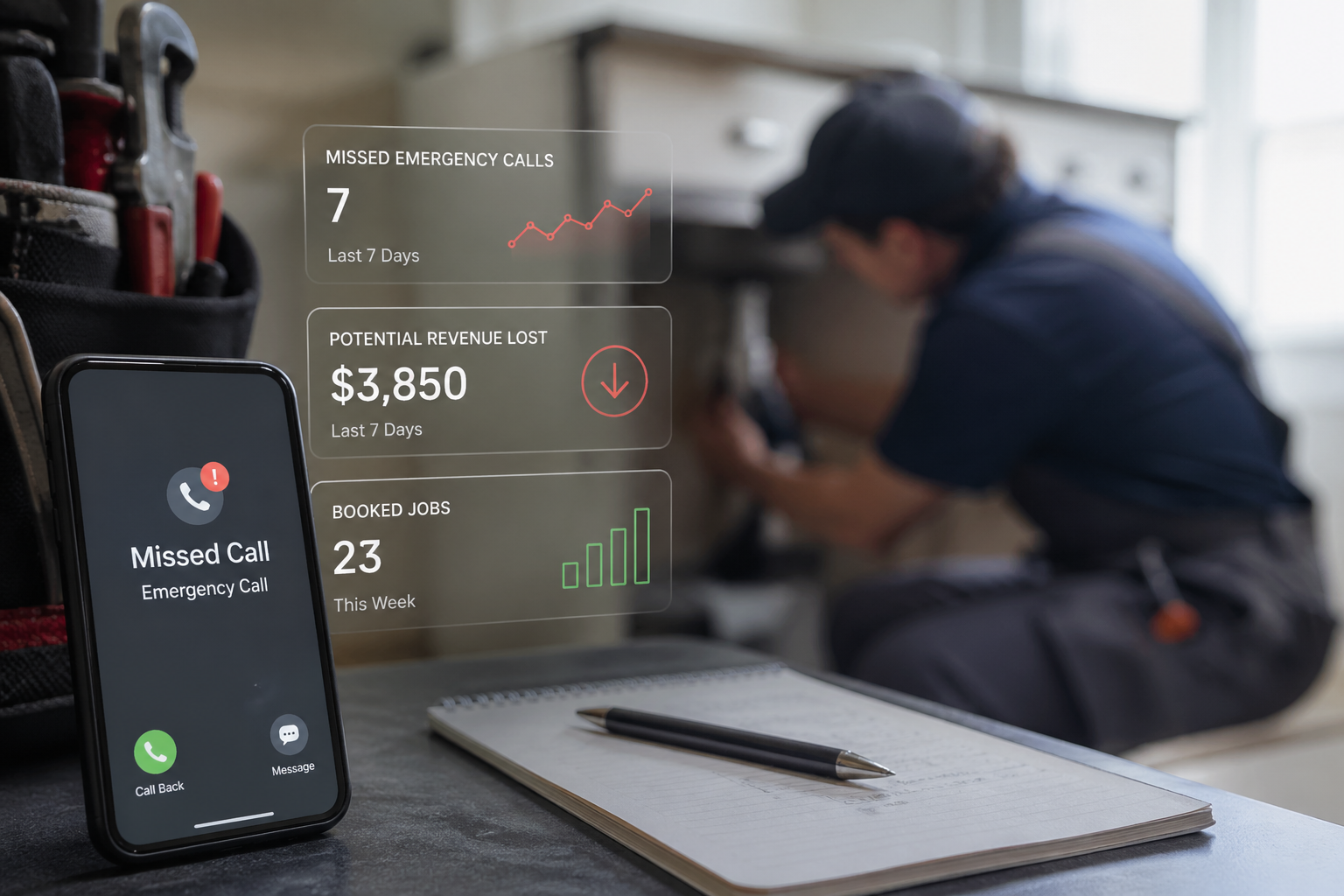
Your phone rings at 2:47 AM. It's someone who's just been arrested and needs an attorney immediately. But you're exhausted from yesterday's trial preparation, and your phone is on silent. By morning, they've already hired the first lawyer who answered their call—and you've lost a $15,000 retainer.
This scenario plays out thousands of times daily in criminal defense practices across the country. According to the National Association of Criminal Defense Lawyers, 68% of initial client contacts in criminal cases occur outside standard business hours, with arrests and urgent situations happening around the clock. Yet most criminal defense attorneys rely on personal cell phones, voicemail systems, or expensive answering services that can't properly screen calls or capture critical case details.
The cost? Criminal defense practices lose an estimated $180,000 to $340,000 annually from missed urgent calls—representing 40-60 potential clients who simply moved on to the next available attorney.
An AI phone system for criminal defense changes this equation entirely. By providing intelligent, 24/7 call handling specifically designed for the urgent nature of criminal law, these systems ensure you never miss another high-value case while protecting your personal time and maintaining attorney-client privilege.
The Unique Phone Challenges Criminal Defense Attorneys Face
Criminal defense work differs fundamentally from other legal practice areas when it comes to phone communications. Understanding these challenges is essential to appreciating why specialized AI phone systems have become crucial for competitive practices.
Time-Sensitive Emergency Calls
Unlike civil litigation or transactional work, criminal cases frequently require immediate legal intervention. When someone is arrested, facing questioning, or dealing with an active warrant, waiting until Monday morning isn't an option. The first attorney who responds typically gets retained—even if they're not necessarily the best fit for the case.
Traditional answering services fail here because they can't assess urgency, provide meaningful information, or capture the detailed intake information needed to evaluate whether a case warrants your immediate attention at 3 AM versus a next-business-day callback.
Complex Intake Requirements
Criminal cases require specific information from that first contact: type of charges, jurisdiction, arrest status, bail situation, prior record, financial capacity for representation, and whether the potential client has already spoken with police. Generic phone answering simply can't capture this level of detail accurately.
A specialized AI phone system for criminal defense can conduct comprehensive intakes following your exact protocol, asking the right follow-up questions based on responses, and flagging cases that require immediate attorney attention versus those that can wait for business hours.
Confidentiality and Privilege Concerns
Criminal defense communications are privileged from the moment someone seeks your legal counsel. This means every phone interaction—even initial consultations—must be handled with strict confidentiality protocols. Standard answering services often employ multiple operators across various locations, creating potential security vulnerabilities.
AI receptionist systems for criminal defense lawyers operate with bank-level encryption, can provide appropriate privilege warnings, and maintain detailed audit trails of all communications—critical features when cases go to trial and opposing counsel scrutinizes your client intake procedures.
High Call Volume During Crises
When news breaks about mass arrests, controversial enforcement actions, or high-profile cases, criminal defense attorneys can be inundated with calls. A single DUI checkpoint or protest-related arrests can generate 50+ calls in a matter of hours.
Human receptionists can't scale to handle these surges, leading to busy signals, long hold times, and frustrated potential clients who hang up and call your competitor. AI systems handle unlimited simultaneous calls, ensuring every caller receives immediate attention regardless of call volume.
How AI Phone Systems Transform Criminal Defense Practices
Modern AI phone technology has evolved far beyond simple call forwarding or voicemail transcription. Today's systems designed for criminal defense practices provide comprehensive call management that rivals—and often exceeds—what dedicated human staff can deliver.
Intelligent 24/7 Call Screening and Routing
When a call comes in, your AI phone system immediately engages with the caller using natural conversation—not robotic menus or frustrating button presses. The system asks targeted questions to understand the situation: "Have you been arrested? Are you currently in custody? What are you being charged with?"
Based on the responses and your predetermined protocols, the system makes intelligent routing decisions. A call from someone in jail awaiting arraignment gets flagged as urgent and triggers your emergency notification protocol. A call about a traffic ticket from last month gets scheduled for a consultation during business hours. Someone calling about their friend's situation gets appropriate information about how to proceed.
This screening happens instantly, 24/7, ensuring urgent matters reach you immediately while routine inquiries are properly captured and scheduled—without you being awakened for non-emergencies.
Comprehensive Case Intake
The initial call in a criminal case provides critical information for case evaluation. AI systems can conduct detailed intakes following your specific template, adapting questions based on the type of case and caller responses.
For example, when handling a DUI inquiry, the system captures: arrest date and time, jurisdiction, BAC level if known, whether field sobriety tests were administered, if they refused testing, prior DUI history, license status, and arraignment date. For assault charges, it focuses on different details: alleged victim relationship, injury severity, witness presence, self-defense claims, and protection order status.
This structured intake ensures you have comprehensive information to evaluate cases efficiently, provide accurate fee quotes, and make informed decisions about which cases to pursue—all without spending 30 minutes on initial screening calls.
Automated Appointment Scheduling
Once a case is appropriate for your practice, the AI system seamlessly transitions to scheduling. It accesses your calendar in real-time, identifies available consultation slots, and books appointments directly—confirming details via text and email.
For urgent matters requiring same-day or next-day meetings, the system can identify priority openings you've designated for emergencies. For routine consultations, it offers standard availability without requiring your personal involvement in the scheduling dance.
This automation eliminates the typical 3-5 back-and-forth communications needed to schedule consultations, getting potential clients on your calendar immediately while their motivation to retain counsel is highest.
Multilingual Client Support
Criminal defense practices often serve diverse communities where English may not be the primary language. AI phone systems provide fluent conversation in 40+ languages, ensuring language barriers never prevent someone from accessing legal representation.
The system automatically detects the caller's language preference and continues the entire intake and scheduling process in that language—then provides you with a translated transcript and summary in English. This capability dramatically expands your potential client base while ensuring accurate communication during critical initial contacts.
Real Results: How Criminal Defense Firms Capture More Cases with AI
The theoretical benefits of AI phone systems are compelling, but the real-world results tell the complete story. Here's how three criminal defense practices transformed their client acquisition after implementing specialized AI phone technology.
Solo Practitioner: From Missed Calls to 6-Figure Growth
DialIQ client runs a solo criminal defense practice in a mid-sized city, handling everything from misdemeanors to serious felonies. Before implementing an AI phone system, he relied on his cell phone and voicemail, missing numerous calls during court appearances, client meetings, and after-hours.
The Challenge: Marcus estimated he missed 40% of incoming calls, with most occurring during court hours when he couldn't answer. By the time he returned calls, 60% of potential clients had already retained other counsel. His annual revenue plateaued at $380,000 despite strong courtroom results and positive reputation.
The AI Solution: Marcus implemented Dialiq's criminal defense AI receptionist in January 2024. The system handles all incoming calls 24/7, conducts comprehensive intakes, schedules consultations, and alerts him immediately for urgent matters like in-custody clients or cases requiring immediate intervention.
The Results After 8 Months:
- Captured 94% of all incoming calls (up from 60%)
- Booked 47 additional consultations that would have been missed
- Converted 31 of those consultations to retained clients
- Added $187,000 in new case revenue
- Reduced time spent on phone screening by 12 hours weekly
- Maintained sub-2-hour response time for all urgent matters
"The AI system paid for itself within the first month with a single high-value case I would have absolutely missed," client explained. "But the bigger impact is consistency. Every single person who calls my practice now gets professional attention immediately, whether it's 2 PM or 2 AM. That's impossible with traditional methods."
Mid-Size Firm: Scaling Beyond Administrative Bottlenecks
Another group operates with four attorneys and two paralegals, handling 200+ active cases at any given time. Their previous phone system used a human receptionist during business hours and an answering service after hours, but both struggled with the firm's call volume and complex intake requirements.
The Challenge: During business hours, the receptionist was frequently overwhelmed, leading to calls going to voicemail or receiving rushed attention. The after-hours answering service provided basic message-taking but couldn't conduct proper intakes or assess urgency. The firm estimated they lost 15-20 potential clients monthly to competitors who responded faster or provided better initial service.
The AI Solution: The firm implemented an enterprise AI phone system integrated with their Clio legal practice management software. The system handles unlimited simultaneous calls, conducts standardized intakes, routes cases to appropriate attorneys based on specialization, and syncs all information directly into their case management system.
The Results After 6 Months:
- Handled 3,847 calls (vs. 2,100 in previous 6-month period)
- Eliminated all busy signals and voicemail transfers
- Increased consultation bookings by 68%
- Retained 42 additional clients
- Generated $523,000 in additional case revenue
- Reduced receptionist phone duties by 85%, allowing focus on case support
- Achieved 100% capture of urgent after-hours calls
Managing partner notes: "We were turning away revenue not because we couldn't handle more cases, but because our phone system couldn't handle the call volume. The AI system eliminated that bottleneck completely. Now we scale based on attorney capacity, not phone capacity."
Regional Practice: Expanding Market Reach
Criminal Defense group operates across three offices serving multiple counties, with eight attorneys specializing in different criminal law areas. Coordinating calls across locations and practice areas created significant inefficiencies and led to missed opportunities.
The Challenge: Calls to the main line weren't effectively routed to the appropriate office or attorney. DUI specialists received calls about white-collar crime; juvenile defense attorneys fielded drug cases. This misrouting created poor client experiences and resulted in 30-40% of callers not scheduling consultations. The firm also struggled with after-hours coverage, as no single person could effectively handle intake for all practice areas and locations.
The AI Solution: The firm deployed an advanced AI phone system with intelligent routing based on case type, jurisdiction, and attorney specialization. The system was trained on each attorney's specific practice focus and availability, ensuring optimal case-attorney matching from the first call.
The Results After 12 Months:
- Improved initial call-to-consultation conversion by 89%
- Increased case retention rate by 34%
- Generated $1.2 million in additional revenue
- Expanded effective service area to two additional counties without adding staff
- Reduced misdirected calls to zero
- Established 24/7 presence in all markets
Senior partner explains: "The AI system essentially acts as an incredibly knowledgeable intake coordinator who never sleeps, never takes a day off, and perfectly understands each attorney's practice focus. It's like adding a full-time business development director who works around the clock."
Essential Features for Criminal Defense AI Phone Systems
Not all AI phone systems are created equal, especially for the unique demands of criminal defense work. When evaluating solutions for your practice, these features are non-negotiable.
Attorney-Client Privilege Protection
Your AI phone system must understand and respect attorney-client privilege from the first moment of contact. Look for systems that provide appropriate privilege warnings, maintain detailed audit trails, use end-to-end encryption, and store all data with the same security standards required for legal communications.
The system should also clearly document when privilege attaches—critical for potential privilege disputes down the line. Every call recording, transcript, and intake form must be stored securely with access controls limiting who can view sensitive client information.
Urgency Assessment and Emergency Routing
Criminal defense AI systems need sophisticated logic to assess call urgency. The system should recognize indicators like: in-custody status, imminent court dates, active warrants, ongoing police questioning, and time-sensitive filing deadlines.
When urgent situations are identified, the system should have multiple escalation paths: immediate attorney notification via text/call, routing to your designated emergency line, or scheduling next-available urgent consultation slots. You define the parameters; the AI executes them flawlessly.
Specialized Criminal Law Intake Templates
Generic legal intake forms don't work for criminal defense. Your AI system should include (or allow customization of) intake templates for specific case types: DUI/DWI, drug offenses, assault/domestic violence, theft crimes, white collar offenses, sex crimes, weapons charges, and juvenile matters.
Each template should capture case-specific details that inform your evaluation and fee quote. The system should also handle sensitive information appropriately—for example, not asking for detailed offense descriptions on recorded lines, but instead flagging these discussions for in-person consultations.
Legal Practice Management Integration
Your AI phone system should integrate seamlessly with your existing legal practice management software (Clio, MyCase, Smokeball, PracticePanther, etc.). This means automatic contact creation, case intake data transfer, appointment syncing, and activity logging—eliminating duplicate data entry and ensuring comprehensive client records from first contact.
Look for systems with pre-built integrations for major legal software platforms, or robust API access for custom integration with your specific tech stack.
Conflict Checking Capabilities
Before booking consultations or accepting cases, criminal defense attorneys must check for conflicts of interest. Advanced AI systems can integrate with your conflict checking database, identifying potential conflicts based on names, co-defendants, adverse parties, and related cases mentioned during intake.
While the AI shouldn't make final conflict determinations (that requires attorney judgment), it can flag potential issues for your review before scheduling consultations—saving time and preventing ethical complications.
Multilingual Support
Criminal defendants come from all backgrounds and speak dozens of languages. Your AI system should provide fluent conversation in at least the major languages spoken in your practice area, with the ability to add additional languages as needed.
Critically, the system should provide you with English translations of all intake information and call summaries, ensuring you can efficiently evaluate cases regardless of the language used during initial contact.
Implementation: Getting Your AI Phone System Running in 72 Hours
One of the most compelling aspects of modern AI phone systems for criminal defense is the rapid implementation timeline. Unlike traditional phone system upgrades that require weeks of setup and training, you can have an AI receptionist handling calls within days.
Phase 1: Initial Setup (Day 1 - 2 Hours)
Begin by configuring your basic firm information: practice areas, attorney profiles, office locations, and hours. Define your intake requirements for each case type, specifying what information the AI should capture. Set up your urgency protocols—which situations warrant immediate attorney notification versus scheduled callbacks.
Most criminal defense attorneys complete this initial configuration in a single focused session, though you'll likely refine and optimize settings as you see the system in action.
Phase 2: Integration and Testing (Days 1-2)
Connect your AI phone system to your existing tools: legal practice management software, calendar system, and communication platforms. Forward your main phone line to the AI system's number (or set up simultaneous ring if you prefer a transition period).
Conduct test calls to experience the system from a client's perspective. Have staff members call with different scenarios—in-custody situations, routine consultations, bail hearing inquiries—to ensure the system handles each appropriately. Refine scripts and routing logic based on these tests.
Phase 3: Soft Launch (Day 3)
Begin routing calls to your AI system while maintaining the ability to quickly revert if needed. Monitor initial calls closely, reviewing transcripts and call recordings to identify any adjustments needed to scripts, routing, or intake questions.
Most practices are comfortable going "full live" after handling 20-30 calls, typically within the first 24-48 hours of soft launch. The beauty of AI systems is that adjustments can be made instantly—no waiting for staff training or procedural changes.
Phase 4: Optimization (Ongoing)
After your first week, review system analytics: call volume patterns, conversion rates from call to consultation, urgency routing accuracy, and consultation show rates. Use this data to refine your approach.
Perhaps you discover most urgent calls come between 6-9 PM, informing your notification preferences. Maybe certain case types convert better than others, suggesting where to focus marketing efforts. The system provides data that was previously invisible, enabling continuous improvement.
The Economics: ROI of AI Phone Systems for Criminal Defense
The most practical question any criminal defense attorney asks about new technology is simple: "Will this make me more money than it costs?"
For AI phone systems, the answer is an emphatic yes—typically with ROI exceeding 400% in the first year.
The Investment
Most AI phone systems for criminal defense practices range from $299-$699 monthly depending on call volume, features, and integration requirements. For this analysis, we'll use $499/month, or $5,988 annually—a typical investment for a small to mid-size criminal defense practice.
The Returns
Captured Missed Calls: If you currently miss 30% of calls (conservative estimate) and receive 100 calls monthly, you're missing 30 potential clients each month. If just 20% of those would have booked consultations (6 people), and 50% of consultations convert to retained clients (3 people), and your average case value is $5,000—that's $15,000 in monthly revenue, or $180,000 annually from calls you're currently missing.
After-Hours Case Capture: Emergency criminal matters occurring after hours represent 40-60% of high-value cases. Capturing even 2-3 additional urgent cases monthly at $10,000-$25,000 each generates $240,000-$900,000 in additional annual revenue.
Time Savings: Criminal defense attorneys typically spend 8-15 hours weekly on phone screening, scheduling, and administrative calls. At an effective hourly rate of $300-$500, the AI system saves $124,800-$390,000 worth of attorney time annually—time that can be redirected to billable work or additional cases.
Reduced No-Shows: Automated appointment reminders and confirmations reduce consultation no-shows by 30-40%. For a practice with 15 consultations weekly, eliminating 5-6 no-shows monthly and converting 50% to retained clients at $5,000 average value adds $15,000-$18,000 monthly or $180,000-$216,000 annually.
Conservative First-Year ROI: Even using the most conservative estimates (capturing just missed calls and reducing no-shows), you're looking at $360,000 in additional revenue against a $5,988 investment—an ROI of 5,913%. More realistic scenarios incorporating after-hours capture and time savings push total value into the $500,000-$1,000,000+ range.
The system typically pays for itself within the first 2-4 retained cases—usually within the first month of implementation.
Making the Transition: Your Next Steps
If you're ready to stop missing urgent criminal defense calls and start capturing every potential case, here's your straightforward path forward.
Step 1: Assess Your Current Call Handling
Track your incoming calls for one week. How many come in? When do they occur? How many reach voicemail? How quickly do you return calls? What percentage result in scheduled consultations? This baseline data helps you quantify improvement after implementing your AI system.
Step 2: Define Your Requirements
Outline what you need from an AI phone system: specific case types you handle, intake information required, integration with existing software, urgency protocols, and budget parameters. Most criminal defense practices find that writing this out clarifies their needs and makes vendor conversations much more productive.
Step 3: Experience the System
Don't just read about AI phone systems—experience one firsthand. Call practices using these systems to hear how they work from a client's perspective. Better yet, schedule a demo where you can test the system with realistic scenarios from your practice.
Step 4: Start Your Free Trial
Most AI phone systems for criminal defense, including Dialiq, offer free 14-day trials with no credit card required. This risk-free trial lets you test the system with real calls, evaluate performance, and confirm ROI before making any financial commitment.
Step 5: Go Live and Optimize
Once you're satisfied with the system's performance during trial, go fully live. Monitor performance closely for the first month, making adjustments to scripts, routing, and intake templates based on actual call patterns and results.
Never Miss Another Urgent Criminal Defense Call
Every criminal defense attorney knows the frustration of discovering a missed call from a potential client who needed immediate help—and finding out they've already retained someone else by the time you return their call. These aren't just missed phone calls; they're lost clients, lost revenue, and people who needed legal representation who may have settled for a less-qualified attorney simply because that lawyer answered first.
AI phone systems for criminal defense eliminate this problem entirely. With 24/7 intelligent call handling, comprehensive intake procedures, immediate urgency assessment, and seamless integration with your practice management systems, you'll never miss another opportunity to help someone in crisis while building your practice.
The technology has matured beyond early limitations. Today's AI receptionists provide natural conversation, understand legal context, maintain attorney-client privilege, and handle the unique demands of criminal defense work with sophistication that rivals dedicated staff—at a fraction of the cost.
More importantly, the ROI is undeniable. When you capture 90%+ of incoming calls instead of 60-70%, when urgent after-hours matters reach you immediately instead of going to voicemail, and when every potential client receives professional attention regardless of when they call—your practice grows substantially while your stress decreases.
The question isn't whether AI phone systems work for criminal defense practices. Thousands of attorneys have already proven they do. The question is how much longer you're willing to miss opportunities that could transform your practice and better serve clients who need your expertise right now.
Ready to capture every criminal defense case opportunity? Start your free 14-day trial of Dialiq's AI phone system—no credit card required. See exactly how many calls you're missing and what it's costing your practice.