Why Medical Practices Are Turning to Smart Solutions in 2026
Medical practice solutions are comprehensive systems and services designed to help healthcare providers streamline operations, improve cash flow, and improve patient care. These solutions typically include:
- Medical billing and revenue cycle management - Optimizing claims, coding, and reimbursement processes
- Practice management software - Centralizing scheduling, patient data, and operational workflows
- AI-powered automation - Handling calls, appointments, and routine inquiries 24/7
- Data analytics platforms - Providing actionable insights for performance improvement
- Patient experience tools - Enhancing communication, access, and satisfaction
Running a medical practice today feels like juggling while riding a unicycle. You're managing endless phone calls, wrestling with insurance claim denials, watching staff burnout creep in, and somehow trying to keep patients happy—all while actually providing medical care. The administrative burden has never been heavier.
The good news? Modern medical practice solutions are finally catching up to these challenges. From AI receptionists that never miss a call to billing services that maximize your cash flow, technology is changing how practices operate. These aren't futuristic concepts—they're tools practices are using right now to reduce wait times by 70%, cut reimbursement cycles in half, and give their staff room to breathe.
The shift isn't just about adopting new software. It's about fundamentally rethinking how your practice runs. When your front desk can answer calls at 2 AM, when claims get scrubbed for errors before submission, and when data shows you exactly where bottlenecks exist—that's when practices start thriving instead of just surviving.
I'm Shaunak, and I'm building DialIQ to help practices like yours reclaim time and reduce missed opportunities through AI-powered call management. Through working with hundreds of healthcare providers, I've seen how the right medical practice solutions transform both patient experience and practice profitability.
The Core Challenges: Why Modern Practices Need Support
In the intricate world of healthcare, medical practices face a unique set of problems that can often overshadow the primary goal of patient care. We're talking about more than just busy days; we're talking about systemic issues that drain resources, morale, and ultimately, profitability.
The sheer volume of administrative tasks alone can be overwhelming. From managing patient records and scheduling appointments to handling complex insurance paperwork, the "business of healthcare" often pulls practitioners away from their patients. This administrative overload leads to stretched staff, increased errors, and a general feeling of being perpetually behind. It's a never-ending cycle of ringing phones, endless paperwork, and the constant pressure to keep up.
Then there's the revenue cycle. This is where the lifeblood of a practice—its cash flow—can get tangled in a web of complexity. Insurance payer complexities mean that getting paid for services rendered is far from straightforward. Claim denials, coding errors, and slow reimbursement processes can significantly impact a practice's financial health, creating uncertainty and hindering growth. Industry data shows that efficient systems can reduce account receivables by 30% and cut reimbursement times by 50%, highlighting the magnitude of this challenge.
Patients, too, have evolving expectations. In a digital age, they expect instant access, online scheduling, and seamless communication, much like they experience with other services. When these expectations aren't met, patient satisfaction can plummet, and practices risk losing valuable patients.
Finally, we can't ignore the human element: staff burnout. When administrative burdens are high, and resources are stretched thin, our dedicated medical staff bear the brunt. They spend less time on meaningful patient interactions and more time on repetitive, often frustrating, administrative tasks. This leads to reduced morale, high turnover, and ultimately, a less efficient and compassionate care environment. We believe that reducing phone burden and staff burnout is crucial for a healthy practice environment.
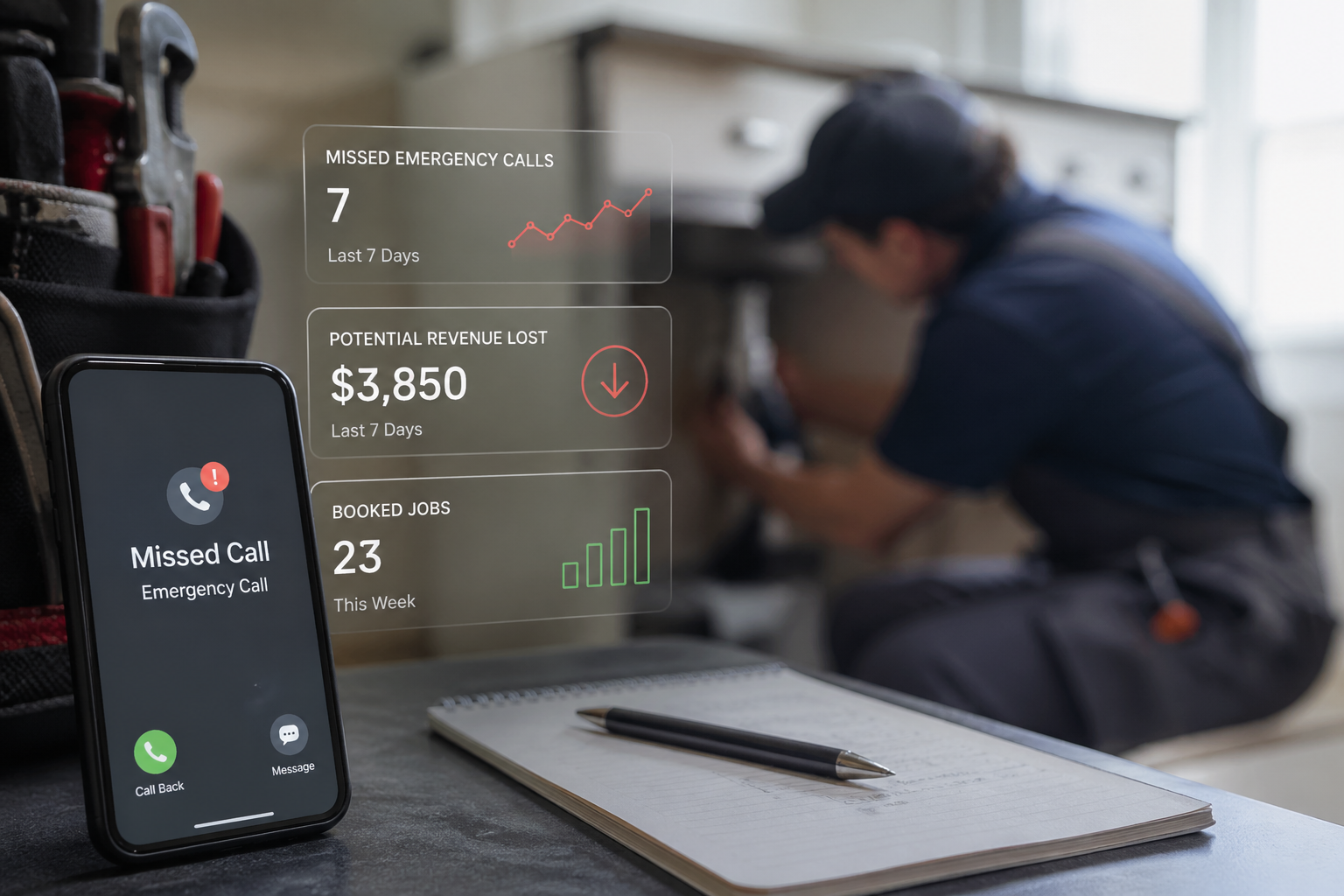
Perhaps one of the most insidious challenges is the high cost of missed calls. Every unanswered phone call represents a potential lost patient, a missed appointment, or a delayed payment. These missed opportunities accumulate, silently eroding a practice's revenue. The hidden cost of missed calls can be substantial, impacting everything from new patient acquisition to urgent care coordination.
These challenges collectively paint a picture of why modern practices desperately need effective medical practice solutions. They need tools that can handle the administrative heavy lifting, streamline the revenue cycle, meet patient expectations, and empower staff to focus on what they do best: providing exceptional patient care. Ignoring these issues isn't an option; addressing them with smart solutions is the path to a healthier, more sustainable practice.
Foundational Medical Practice Solutions: Optimizing Billing and Operations

At the heart of any thriving medical practice lies a solid foundation of efficient billing and operational management. Many medical practice solutions providers focus on delivering core services that directly tackle the administrative and financial pain points we've discussed. Their primary aim is to improve medical practices' cash flow and operational efficiency, allowing healthcare providers to concentrate on their patients. These companies typically serve a diverse client profile, ranging from private practices to various specialty practices, all looking for ways to steer the complex healthcare landscape.
Streamlining Revenue with Expert Medical Billing
One of the most critical services offered by medical practice solutions companies is expert medical billing. This isn't just about sending out invoices; it's a sophisticated process designed to maximize cash flow and ensure financial stability.
Effective claims management is paramount. This involves carefully preparing and submitting claims to insurance payers, ensuring accuracy and compliance. The goal is to convert medical services into cash reimbursements, making sure practices get paid for the vital work they do. This focus on the "business of healthcare" means practices can avoid the pitfalls of overlooked revenue.
Medical coding accuracy is another cornerstone. With changing coding guidelines and complex regulations, even a minor error can lead to a denied claim and delayed payment. Expert billers are adept at navigating these intricacies, significantly reducing claim denials. This meticulous approach directly translates to improved cash flow and reduced administrative headaches for the practice.
For instance, it's crucial to acknowledge the complexities of working with insurance payers and move beyond a one-size-fits-all billing model. The best philosophy is to identify and apply the right billing solution for each unique practice, acknowledging that different specialties and practice sizes have distinct needs. By tailoring solutions, they simplify the intricate dance with insurance companies, ensuring that practices can spend their time with patients, not battling billing issues. The key benefits for a medical practice owner in outsourcing billing and administrative tasks to such companies include access to specialized expertise, reduced administrative burden, and a significant boost in cash flow.
Integrating Workflows with a Practice Management System (PMS)
Beyond billing, a robust Practice Management System (PMS) is a non-negotiable tool for operational efficiency. A PMS acts as the central nervous system of a medical practice, integrating various administrative and clinical workflows into a cohesive system.
Key functionalities of a modern PMS include centralized scheduling, which allows for efficient appointment booking, rescheduling, and automated reminders, reducing no-shows and optimizing provider schedules. Patient demographics and insurance eligibility verification are streamlined, minimizing errors and ensuring accurate billing from the outset. Many systems also offer advanced reporting capabilities, providing valuable insights into practice performance, financial health, and operational bottlenecks. For a deeper dive into selecting the right system for your needs, we recommend exploring resources like How to select a practice management system. Seamless integration with other systems, often referred to as PIMS Integration, ensures that all parts of your practice communicate effectively.
Technological advancements in PMS platforms are constantly evolving. For example, modern practice management software boasts features like claim scrubbing, mobile apps, and over 15 clinical and medical billing-focused dashboards for key performance indicators (KPIs) and insights. Some users have reported remarkable results, such as a 30% reduction in account receivables and a 50% cut in reimbursement times. This kind of data-driven improvement is precisely why medical practice solutions are so vital. By automating tasks and providing comprehensive oversight, PMS allows practices to speed up operations, streamline finances, and ultimately, grow their practice while maintaining a focus on patient care.
Advanced Strategies: Leveraging Data and Patient Feedback

In today's healthcare landscape, simply managing operations isn't enough. Forward-thinking medical practice solutions now emphasize leveraging data and patient feedback to drive continuous improvement, improve patient experience, and foster truly compassionate care. This move towards a data-driven, patient-focused organization is crucial for staying competitive and delivering high-quality healthcare.
Using Data Analytics to Drive Performance
Data analytics plays a pivotal role in optimizing clinical practice plans for medical administrators. Industry collaborations exemplify this approach, aiming to help administrators optimize clinical practice plans by providing actionable, comparative data, peer collaboration, and advisory services.
As highlighted in resources like the What is CPSC Video, medical practice administrations often struggle to balance patient care with rising costs and reimbursement constraints. These initiatives offer guided analytics, improved functionality, and an improved interface to help overcome these obstacles. The role of data analytics and comparative data in their solutions is to provide a clear understanding of an organization's performance relative to peers, identifying areas for improvement and strategic growth. This includes detailed insights into ambulatory access measures and overall practice performance. Leveraging advanced tools like AI Phone Analytics: Track, Measure, Optimize Call Performance can further refine these insights, offering a comprehensive view of patient interactions and operational efficiency.
Enhancing the Patient Journey with Actionable Feedback
Beyond operational data, understanding and acting on patient feedback is a powerful strategy for improvement. Patient experience firms provide key recommendations for enhancing patient experience, access, and staff teamwork. Their philosophy centers on building a patient-focused, data-driven organization.
A 'Solutions Starter' guide can help medical practices in their improvement journey, often in conjunction with a Medical Practice Survey. This guide provides a framework for addressing critical areas identified through patient feedback. For example, the critical components of effective communication and compassionate care are shown to significantly impact patient satisfaction. These include active listening, clear explanations, empathy, and respect. When patients feel heard and understood, their overall satisfaction and trust in the practice increase.
Medical practices can leverage patient feedback and comments to drive improvements by systematically collecting and analyzing this input. This isn't just about positive reviews; it's about identifying common pain points, understanding patient needs, and making targeted changes. For instance, if feedback consistently points to long wait times, the practice can investigate scheduling inefficiencies or staffing levels.
Strategies for improving access to care include optimizing scheduling processes, enhancing online presence (e.g., easy-to-use patient portals for booking), and exploring alternative care models like telehealth. Telehealth, in particular, helps ensure patients receive the right care at the right place and time. By proactively addressing these areas based on patient insights, practices can create a more accessible, efficient, and patient-centered experience, ultimately fostering loyalty and positive word-of-mouth.
The Future is Now: AI-Powered Automation in Healthcare
The future of medical practice solutions isn't just about managing what's already there; it's about embracing transformative technologies that redefine efficiency and patient care. Artificial Intelligence (AI) is leading this charge, particularly with the rise of AI receptionists and other automated systems. These innovations are not just futuristic concepts; they are actively being implemented to provide 24/7 availability, automated appointment scheduling, significant reductions in administrative burden, and vastly improved patient communication.
The Rise of the AI Receptionist for Medical Offices
Imagine a receptionist who never takes a break, never gets sick, and can handle multiple patient inquiries simultaneously, even at 2 AM. That's the power of the AI receptionist. These intelligent systems are rapidly becoming the first point of contact for many medical offices, adept at managing high call volumes and ensuring every patient interaction is handled promptly and professionally.
AI receptionists use advanced natural language processing (NLP) to understand patient queries, schedule appointments, provide information, and even offer multilingual support, making healthcare more accessible to diverse patient populations. They can greet patients by name, offer personalized appointment reminders, and suggest relevant services based on past visits. This level of personalized, round-the-clock service significantly improves patient experience by reducing wait times and providing instant gratification, which modern patients increasingly expect. For a deeper understanding of how these systems work, explore AI Receptionist for Medical Office: Patient First Phone Experience and our glossary entry on AI Clinic Receptionist.
These AI solutions are designed to integrate seamlessly with existing practice management and EHR systems, often leveraging tools like Zapier for improved connectivity. This means patient data is synced in real-time, minimizing manual data entry and ensuring consistency across all platforms. Crucially, reputable AI receptionist services are built with stringent HIPAA compliance in mind, ensuring secure messaging and robust data security measures to protect sensitive patient information. They are, in essence, the digital front desk that keeps pace with the demands of modern healthcare.
Key benefits of AI-driven medical practice solutions
The adoption of AI-driven medical practice solutions offers a cascade of benefits, fundamentally reshaping how practices operate and interact with patients.
One of the most immediate and tangible benefits is significant cost savings. By automating routine administrative tasks, practices can reduce the need for extensive administrative staff, cutting down on salary, benefits, and overhead expenses. A comparison between an AI Receptionist vs. Human Receptionist: The Real Cost Comparison for SMBs often reveals substantial long-term savings, with predictable monthly costs replacing variable human resource expenses.
Improved patient access is another cornerstone. With 24/7 availability, patients can schedule appointments, ask questions, or get essential information whenever it's convenient for them, eliminating the frustration of missed calls or waiting for office hours. This is particularly beneficial for practices with high call volumes, such as Urgent Care Centers: AI Systems for High-Volume Patient Intake, where immediate response can be critical. This improved accessibility leads to higher patient satisfaction and retention rates.
Furthermore, AI solutions lead to staff empowerment. By offloading repetitive tasks like answering common questions and appointment scheduling, human staff are freed up to focus on more complex patient needs, critical thinking, and providing compassionate in-person care. This reduction in administrative distractions and phone burden directly combats staff burnout, leading to higher morale, lower turnover, and a more engaged team.
The most profound benefit is the ability for medical practices to truly focus on patient care. When the administrative machinery runs smoothly and efficiently in the background, practitioners and their teams can dedicate their energy and expertise to diagnosing, treating, and healing. This shift allows for more meaningful patient interactions, leading to better health outcomes and a more fulfilling practice environment for everyone involved.
Frequently Asked Questions about Medical Practice Solutions
What is the main benefit of outsourcing medical billing?
The main benefit of outsourcing medical billing is a significant increase in cash flow and reduced administrative burden. Expert billing services ensure claims are submitted accurately and promptly, minimizing denials and maximizing reimbursements. This frees up your in-house staff to focus on patient care, rather than struggling with complex coding, payer rules, and follow-ups. You gain access to specialized knowledge without the overhead of hiring and training an extensive billing team.
How can a small practice afford advanced solutions?
Many advanced medical practice solutions, especially those powered by AI, are designed with scalability and affordability in mind. Instead of large upfront investments, they often operate on a Software-as-a-Service (SaaS) model with predictable monthly subscriptions. This means small practices can access enterprise-level technology for a fraction of the cost of traditional solutions or hiring additional full-time staff. The high return on investment (ROI) from increased efficiency, reduced missed opportunities, and improved patient satisfaction often far outweighs the monthly subscription fees, making them a cost-effective choice for practices of all sizes.
Are AI solutions like virtual receptionists secure and HIPAA-compliant?
Absolutely. Reputable AI solutions providers understand the critical importance of patient data privacy and security in healthcare. They build their platforms with stringent HIPAA compliance protocols, employing robust data encryption for all communications and secure data storage. This ensures that sensitive patient information is protected at every touchpoint. When considering an AI receptionist, always verify the provider's commitment to compliance and security, as outlined in resources like Compliance & Security: How AI Receptionists Protect Business Data. These systems are designed to handle patient inquiries and data with the same, or often higher, level of security than traditional methods.
Conclusion
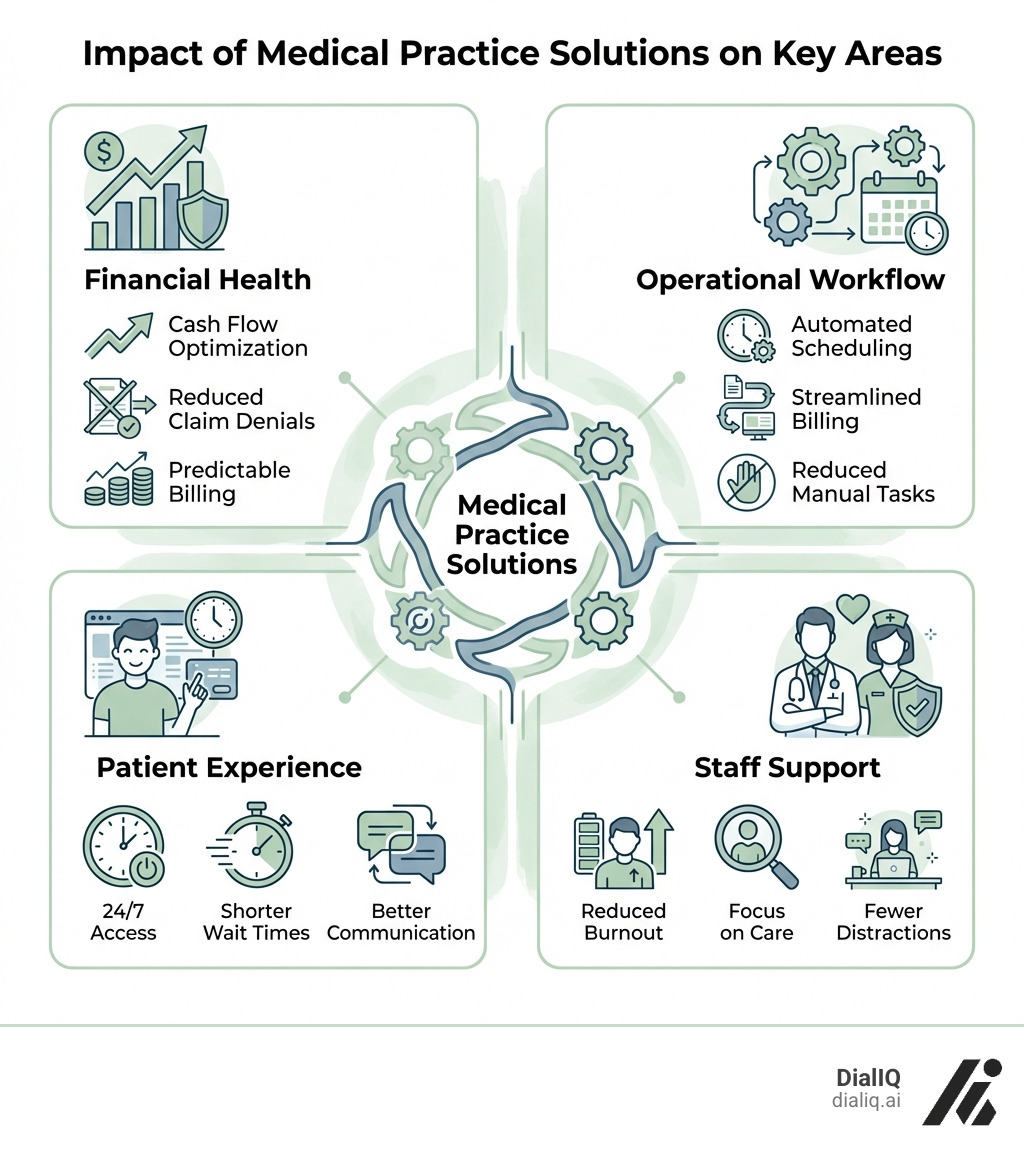
The journey to a thriving medical practice in 2025 is paved with modernization, strategic implementation of technology, and an unwavering commitment to patient care. We've explored how comprehensive medical practice solutions address the core challenges of administrative overload, financial complexity, and evolving patient expectations. By embracing these solutions, practices can transform their operational workflow, boost their financial health, and cultivate an exceptional patient experience.
From expert medical billing that maximizes cash flow and reduces denials, to integrated practice management systems that streamline every aspect of daily operations, these foundational tools are indispensable. Furthermore, the advent of data analytics and patient feedback mechanisms empowers practices to make informed, patient-centered decisions, constantly refining their services and improving access to care.
Perhaps most exciting is the power of automation, particularly through AI-powered solutions like virtual receptionists. These intelligent systems are not just conveniences; they are game-changers, offering 24/7 patient access, reducing administrative burdens, and freeing up invaluable human resources to focus on what truly matters: healing.
At DialIQ, we believe in empowering medical practices to reclaim their time and capture every opportunity. Our purpose-built, custom AI solutions ensure every call is answered, appointments are scheduled, and patient needs are met around the clock. The future of healthcare is efficient, patient-focused, and technologically advanced. It's time to stop juggling and start thriving.
Ready to transform your practice? Explore AI-powered solutions for your practice and find how smart technology can heal your workflow and boost your cash flow.