Are you still routing calls through a system designed in the 1990s? If your business is using a traditional phone system, you're not just operating with outdated technology—you're actively losing revenue. The average small business misses 62% of inbound calls during business hours, and that number jumps to 100% after hours. When 73% of customers won't call back after reaching voicemail, each missed call represents a lost opportunity worth hundreds or thousands of dollars.
The phone system landscape has transformed dramatically in 2026. Small businesses now face a critical decision: stick with traditional phone systems or embrace AI-powered alternatives that fundamentally change how customer communications work. This isn't just about technology—it's about survival. Your competitors are capturing leads while you're listening to voicemail.
This comprehensive buyer's guide will walk you through everything you need to know to make the right phone system decision for your business. We'll compare traditional systems against modern AI solutions, break down real costs, and give you a framework to evaluate what's best for your specific situation.
The Traditional Phone System Reality Check
Traditional phone systems have served businesses for decades, but their limitations become glaringly obvious in today's 24/7, always-connected business environment. Let's be clear about what you're actually getting with a conventional setup.
Traditional systems typically come in three flavors: landlines with PBX hardware, VoIP systems that digitize calls but still require human handling, and hybrid solutions that attempt to bridge both worlds. All three share the same fundamental flaw—they require human operators to actually answer and route calls.
A typical small business with 5-10 employees spends $150-$400 per month on phone service alone, plus $35,000-$55,000 annually on receptionist salaries. That's just the baseline. Add training costs, benefits, sick days, vacation coverage, and the productivity drain of constant phone interruptions, and you're looking at a six-figure annual commitment to basic phone operations.
The hidden costs run even deeper. Traditional systems can't answer calls during lunch breaks, after hours, on weekends, or during staff meetings. According to research from the Harvard Business Review, the average small business loses $75,000-$150,000 annually from missed calls alone. Your traditional phone system isn't just expensive—it's actively bleeding revenue every day.
Beyond the financial impact, traditional systems create operational bottlenecks. Your staff spends 2-4 hours daily managing phones instead of focusing on high-value work. There's no intelligent call routing, no automatic appointment booking, and no way to scale during peak demand without hiring more people. When your business grows, your phone system costs grow proportionally.
How AI Phone Systems Actually Work
AI phone systems represent a fundamental reimagining of business communications. Instead of simply transmitting voice data like traditional systems, AI platforms use natural language processing and machine learning to understand, respond to, and act on customer calls—without human intervention.
Here's what actually happens when someone calls a business using an AI phone system. The AI answers instantly, identifies the caller's intent through conversational analysis, accesses relevant business data in real-time, and takes appropriate action—booking appointments, answering questions, routing urgent calls, or capturing lead information. All of this happens in natural conversation that customers find surprisingly human.
Modern AI receptionists handle complex scenarios that would stump basic IVR systems. They understand context, remember previous interactions, handle multiple languages, and adapt their responses based on the caller's needs. If someone calls your HVAC company at 2 AM with a heating emergency, the AI doesn't just take a message—it assesses urgency, collects critical details, and immediately notifies your on-call technician.
The technology stack behind AI phone systems includes voice recognition, natural language understanding, intent classification, dialog management, and integration APIs that connect to your existing business tools. But you don't need to understand the technical details any more than you need to understand internal combustion to drive a car.
What matters is the outcome. AI systems answer every call in under three rings, 24 hours a day, 365 days a year. They never call in sick, take vacations, or need lunch breaks. They handle unlimited simultaneous calls during peak demand, maintain perfect consistency in customer interactions, and integrate seamlessly with your CRM, calendar, and business management software.
Implementation is surprisingly straightforward. Most businesses are fully operational within 2-3 days, not the 2-3 weeks typical of traditional phone system installations. You keep your existing phone numbers, customize the AI's personality and scripts to match your brand, connect your calendar and CRM tools, and you're ready to capture every opportunity that calls your business.
The Real Cost Comparison: Breaking Down the Numbers
Let's talk actual dollars, because small business decisions ultimately come down to ROI. Traditional phone systems appear cheaper on the surface, but a complete cost analysis reveals a dramatically different picture.
A traditional phone system for a 5-person small business includes phone service at $200-$400 monthly, a receptionist at $35,000-$45,000 annually plus 20-30% in benefits and taxes, training and onboarding costs of $2,000-$4,000, and productivity losses from phone interruptions valued at $8,000-$15,000 per year. The five-year total cost runs between $235,000 and $325,000.
An AI phone system for the same business costs $99-$699 per month depending on call volume and features, with a one-time setup fee of $0-$500. The five-year total cost ranges from $5,940 to $42,440. That's a savings of $189,060 to $282,560 over five years—enough to hire additional salespeople, invest in marketing, or significantly grow your business.
But the cost advantage goes beyond simple math. AI systems capture revenue that traditional systems miss entirely. That 62% of calls you're currently not answering? Each one represents potential revenue. For a business with a $500 average transaction value receiving 100 calls monthly, capturing even 30% more leads translates to $90,000 in additional annual revenue.
The scalability economics are equally compelling. When your call volume doubles during peak season or a successful marketing campaign, traditional systems require hiring additional staff at $3,000-$4,000 per month including benefits. AI systems simply handle the increased volume with no incremental cost. You can scale from 100 to 1,000 calls monthly without changing your phone bill.
After-hours coverage presents another stark contrast. Hiring a night/weekend receptionist adds $15,000-$25,000 annually. Using an answering service costs $200-$800 monthly and provides inferior service. AI systems provide 24/7 coverage at no additional cost, capturing the 30-40% of calls that come outside business hours.
Feature-by-Feature Comparison: What You Actually Get
Understanding features matters less than understanding outcomes, but let's break down what each system type delivers in practical terms.
Call answering and routing represents the most basic phone system function, yet traditional and AI systems deliver vastly different results. Traditional systems route calls to available staff, play hold music when everyone's busy, send calls to voicemail after hours, and handle one call per line. AI systems answer every call instantly regardless of time or volume, route intelligently based on caller intent and staff availability, never put customers on hold, and handle unlimited simultaneous calls.
Appointment scheduling illustrates the productivity gap. Traditional systems require staff to check calendars, negotiate available times, manually book appointments, send confirmation emails, and call with reminders. Each scheduling interaction takes 3-5 minutes of staff time. AI systems check real-time calendar availability, offer and confirm appointments conversationally, book directly into your calendar system, send automatic confirmations, and text appointment reminders—all without human involvement.
Lead capture and qualification show similar disparities. Traditional receptionists collect basic contact information, may or may not capture lead details, transfer to sales when available, and rely on memory and notes. AI systems capture complete lead information consistently, ask qualifying questions based on your criteria, automatically update your CRM, and route hot leads immediately while nurturing others appropriately.
Integration capabilities determine how well your phone system works with your other business tools. Traditional systems exist in isolation, requiring manual data entry, separate systems for different functions, and no automation between tools. AI phone systems integrate directly with CRMs like Salesforce and HubSpot, sync with calendar tools including Google Calendar and Outlook, connect to industry-specific software through APIs, and enable automated workflows across your entire tech stack.
Making Your Decision: A Practical Framework
Choosing the right phone system requires honest assessment of your business situation, priorities, and constraints. Use this framework to guide your decision.
Start by evaluating your current phone reality. How many calls do you receive daily? What percentage reach a human versus voicemail? How many calls come after hours or during peak times when staff is overwhelmed? What does each missed call cost in lost revenue? How much staff time goes to phone management versus revenue-generating activities? Track these metrics for 2-3 weeks to establish your baseline.
Consider your growth trajectory and scalability needs. Businesses expecting significant growth should prioritize systems that scale effortlessly. If your call volume fluctuates seasonally, you need capacity that expands and contracts without added staffing costs. Companies hiring additional staff anyway might absorb reception duties into existing roles, though this reduces focus on core responsibilities.
Industry-specific requirements matter significantly. Healthcare businesses must prioritize HIPAA compliance and secure patient communication. Legal practices need systems that respect attorney-client privilege and handle urgent matters appropriately. Home services companies require emergency call handling and integration with dispatch software. Professional services benefit from intelligent lead qualification and seamless calendar management.
Budget considerations extend beyond monthly fees to total cost of ownership. Calculate five-year costs including all recurring fees, staffing expenses, training and turnover costs, lost revenue from missed calls, and opportunity costs of staff time spent on phones. Compare this total against business outcomes like improved customer experience, additional revenue captured, and staff productivity gains.
Technical comfort and change management deserve consideration. Some business owners prefer tangible phone hardware they can see and touch. Others embrace cloud-based solutions that work from any device. Assess your team's readiness for new technology, available technical support, and your tolerance for change. Modern AI systems require minimal technical knowledge, but organizational readiness matters.
Industry-Specific Recommendations
Different industries face distinct communication challenges that influence the ideal phone system choice.
Healthcare practices including medical, dental, and veterinary clinics handle high call volumes with time-sensitive patient needs. AI systems excel here by managing appointment scheduling, patient intake, insurance verification, and after-hours emergency triage. HIPAA-compliant AI platforms ensure patient data security while reducing staff burden. The integration with EHR systems like Epic, Cerner, and SimplePractice streamlines workflows that would otherwise require multiple manual steps.
Legal practices need sophisticated call handling that qualifies leads, assesses urgency, respects confidentiality, and ensures potential clients receive immediate attention. Law firms using AI receptionists report 40-60% increases in consultation bookings because calls get answered immediately rather than going to voicemail. Integration with legal CRMs like Clio and MyCase ensures every potential client interaction is tracked.
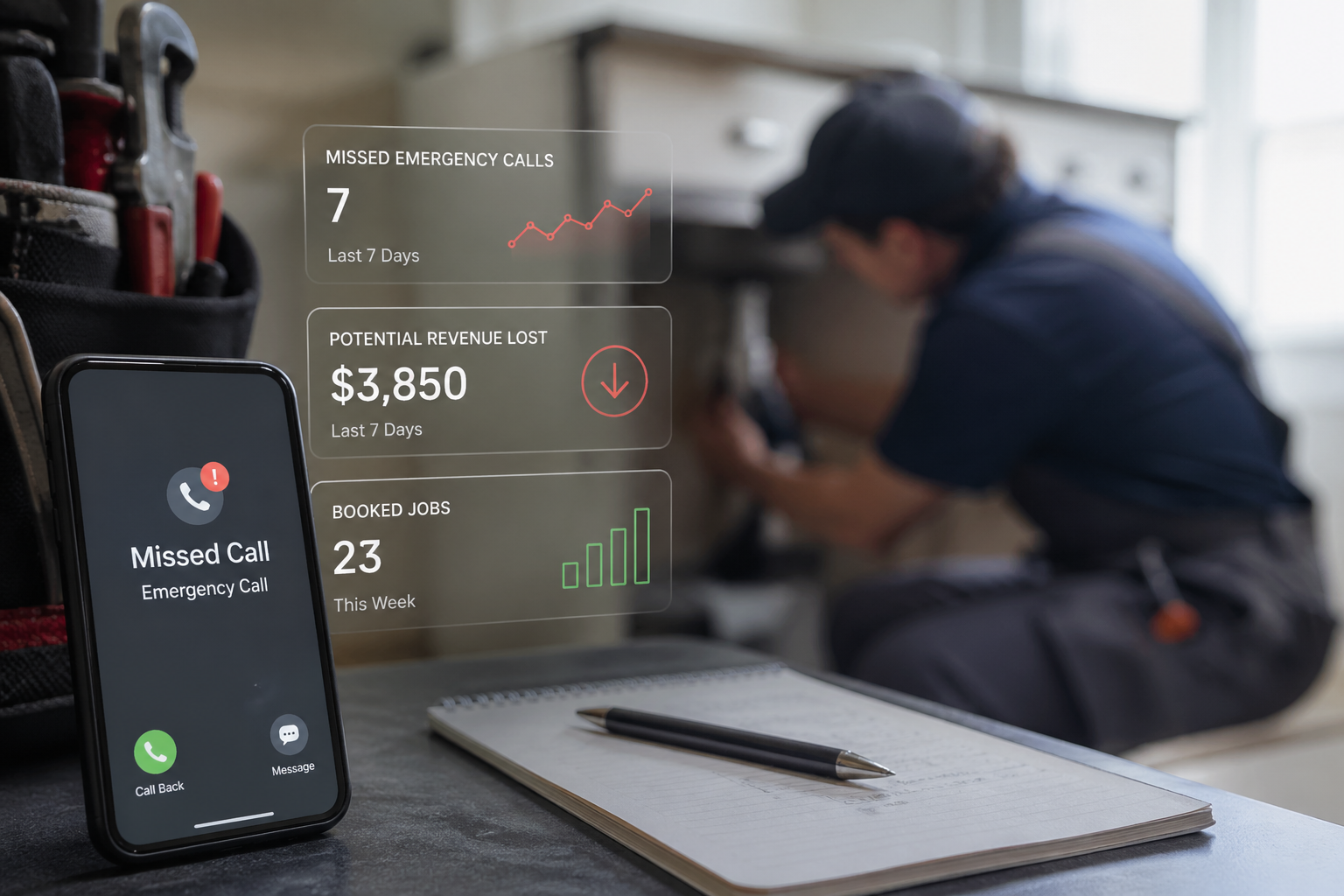
Home services businesses—HVAC, plumbing, electrical, roofing—depend on emergency call capture and rapid response. Traditional systems fail spectacularly here because emergencies don't respect business hours. AI systems that handle after-hours calls, assess urgency, collect job details, and dispatch technicians can capture $100,000+ in additional revenue annually from emergency work alone.
Real estate professionals need to respond instantly to buyer inquiries while managing showing schedules across multiple properties. AI receptionists qualify leads, schedule property showings, answer basic questions about listings, and ensure no potential buyer slips through the cracks. The integration with real estate CRMs like Follow Up Boss maximizes conversion rates from lead to showing to sale.
Professional services firms including consulting, marketing agencies, and financial advisors benefit from AI's ability to project a professional image while capturing and qualifying leads efficiently. The system books consultations, collects project details, and ensures high-value prospects receive appropriate attention—all while freeing staff to focus on client delivery.
Implementation Roadmap: Getting Started Right
Whether you choose traditional or AI systems, successful implementation follows a structured approach.
Begin with a thorough assessment of your current communication workflows. Map every type of call your business receives, document how calls are currently handled, identify pain points and bottlenecks, measure current performance metrics, and define success criteria for your new system. This baseline ensures you can measure actual improvement.
For AI system implementation, the process typically unfolds over 5-7 days. Day one involves choosing your plan level and completing account setup. Days two through three cover training the AI on your business specifics—services offered, common questions, appointment types, and call handling preferences. Day four connects integrations to your calendar, CRM, and business management tools. Day five runs test calls to verify the system handles scenarios correctly. Days six and seven involve soft launch with team monitoring and final adjustments.
Traditional system implementation takes significantly longer, usually 2-4 weeks. You'll need to schedule installation, set up physical hardware, configure phone numbers and extensions, train staff on the new system, and develop backup coverage plans. The disruption to normal operations is considerably greater.
Change management matters regardless of system type. Communicate clearly with your team about why you're changing systems and what benefits they'll experience. Provide hands-on training with realistic scenarios. Start with a soft launch period where you monitor closely and make adjustments. Collect feedback from team members and customers. Remember that reducing phone burden for your staff is a benefit, not a threat—position it accordingly.
The Bottom Line: Your Phone System Decision
Your phone system isn't just technology infrastructure—it's your first point of contact with customers, a major operational expense, and either a growth enabler or a bottleneck. The decision you make today will impact your business for years.
Traditional phone systems made sense in a 9-to-5 business world where customers called during business hours and waited patiently for callbacks. That world no longer exists. Today's customers expect immediate responses, 24/7 availability, and seamless experiences. Traditional systems simply cannot deliver this without massive staffing investments that make no financial sense for small businesses.
AI phone systems represent the new standard for small business communications. The cost advantage alone justifies the switch—saving $200,000+ over five years while actually improving customer experience. Add the revenue captured from previously missed calls, the productivity gains from freeing staff from phone duty, and the scalability to grow without proportional cost increases, and the business case becomes overwhelming.
The question isn't whether to eventually adopt AI phone technology—it's whether to lead or follow. Every month you wait costs you captured revenue, operational efficiency, and competitive advantage. Your competitors who adopt AI phone systems first will capture the leads you're missing, operate more efficiently, and scale more effectively.
The good news? Implementation is straightforward, risk is minimal, and results are measurable. Most businesses see positive ROI within the first 30-60 days simply from capturing previously missed calls. Start with a trial period, measure actual results against your baseline, and make your decision based on data rather than assumptions.
Your phone system should work for your business, not the other way around. It should capture every opportunity, enable growth without proportional cost increases, free your team to focus on high-value work, and provide consistently excellent customer experiences. For small businesses in 2026, AI phone systems deliver all of this at a fraction of traditional system costs.