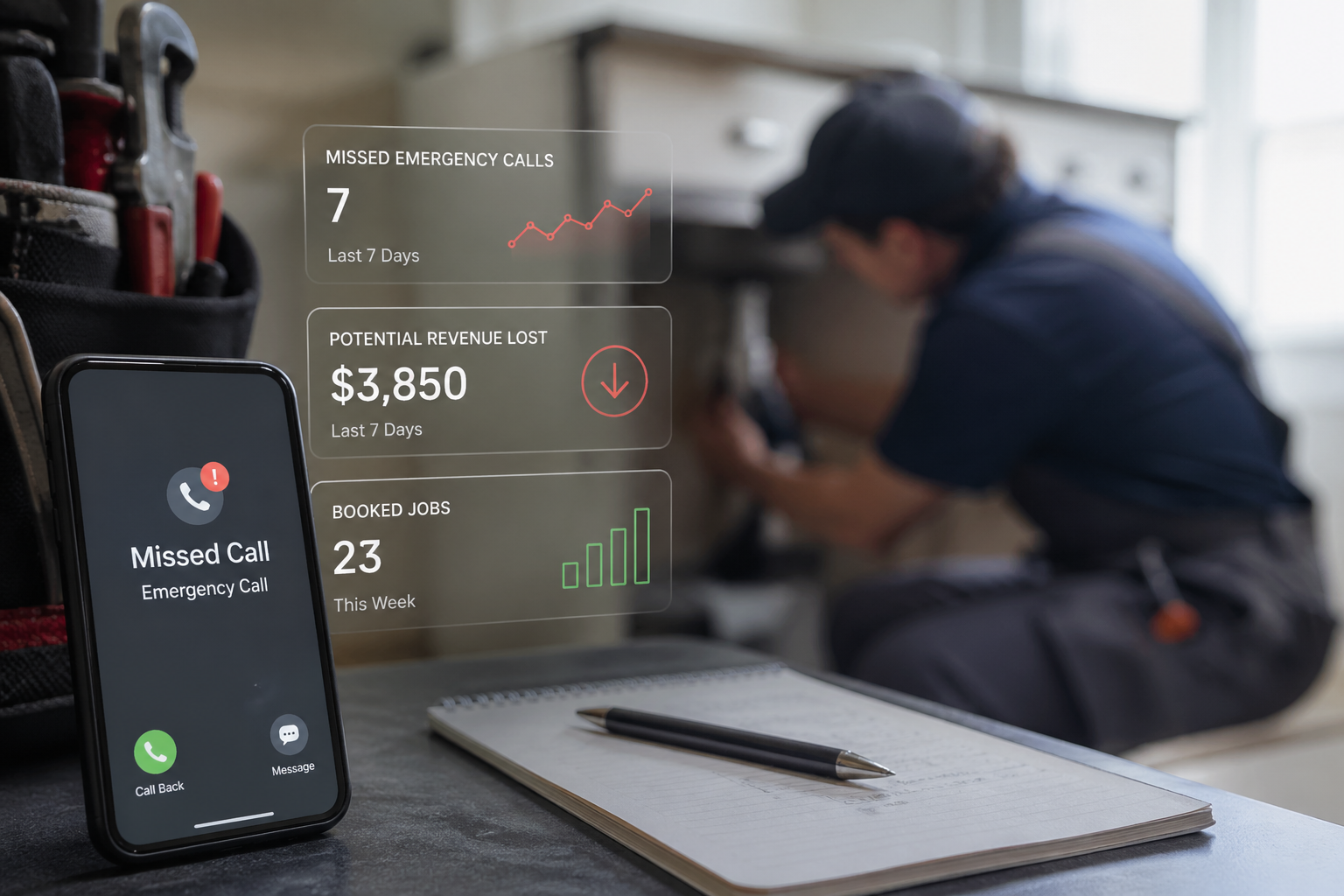
It's 2:37 AM on a Saturday. Someone just got arrested for DUI outside a bar downtown. They're sitting in a holding cell, scared and embarrassed, using their one phone call to find a lawyer. Your firm specializes in DUI defense. You've spent thousands on advertising that promises aggressive representation. But your phone goes to voicemail because your office closed ten hours ago. By Monday morning, that person has already hired whoever answered at 3 AM. An AI receptionist for DUI lawyers solves this exact problem—capturing time-sensitive cases the moment they call, regardless of when that arrest happens.
DUI cases operate on a different timeline than most legal matters. Arrests cluster around nights and weekends when people are out drinking. The window for challenging license suspensions is often just days. Defendants are emotionally desperate and ready to hire immediately. Every hour you're unavailable, competitors who answer are signing retainers.
The Unique Urgency of DUI Case Intake
DUI defense exists in a category of legal work where timing isn't just important—it's everything. Unlike someone researching divorce attorneys over several weeks or a business owner methodically selecting corporate counsel, DUI defendants need help right now. Understanding this urgency reveals why traditional office hours simply don't work for this practice area.
Arrest patterns tell the story clearly. DUI stops peak between 10 PM and 3 AM, with Friday and Saturday nights generating the highest volume. Holiday weekends—Memorial Day, Fourth of July, New Year's Eve—create massive spikes. Your potential clients are being handcuffed precisely when your receptionist is home asleep.
The psychology of a DUI arrest compounds the urgency. Defendants experience immediate fear about losing their license, their job, their reputation. They're often still processing the shock of the arrest while simultaneously trying to solve the problem. This emotional state drives fast decision-making. They'll hire the first attorney who seems competent and available, not the best attorney who calls back two days later.
Legal deadlines add genuine time pressure. In many states, defendants have only 10-15 days to request an administrative hearing to challenge license suspension. Missing this window means automatic suspension regardless of the criminal case outcome. Callers don't necessarily know these deadlines, but they sense urgency—and they're right.
The competitive landscape for DUI defense is fierce. Multiple firms in every market advertise 24/7 availability, aggressive defense, and free consultations. When a potential client calls three firms and only one actually answers, that firm wins the case. It's not about being the best DUI lawyer in town; it's about being the best DUI lawyer who picks up the phone at 2 AM.
How AI Transforms DUI Case Intake
An AI receptionist doesn't just answer calls—it conducts meaningful intake conversations that capture essential case information and position your firm for immediate follow-up. Modern AI handles the nuanced, emotionally-charged conversations that DUI intake requires, with a level of availability that human staff simply can't match.
When someone calls after a DUI arrest, the AI responds with appropriate empathy and professionalism. It understands that the caller is likely scared, possibly still intoxicated, and definitely stressed. The system guides them through providing key information: when and where the arrest occurred, whether they submitted to chemical testing, if there were any accidents or injuries involved, and their prior record if any.
This isn't a robotic question-and-answer session. The AI engages conversationally, reassuring callers that they've reached the right place and that help is available. It explains your firm's approach to DUI defense, discusses next steps, and either schedules an immediate consultation or ensures an attorney will call back within a specific timeframe.
For calls that come in during business hours when attorneys are in court or with clients, the AI provides the same seamless coverage. No more missed calls because everyone was busy. No more voicemails that sit for hours while potential clients move on to competitors.
Critical Benefits for DUI Defense Practices
True 24/7 Coverage When Cases Actually Happen
The math on DUI arrests makes round-the-clock coverage essential, not optional. Studies consistently show that over 60% of DUI arrests occur between 9 PM and 4 AM. Weekend nights account for a disproportionate share of total arrests. If your intake system only works during business hours, you're missing the majority of potential cases at their moment of highest urgency.
AI receptionists provide genuine 24/7 coverage without the costs and complications of overnight staff. The system answers every call within seconds, conducts thorough intake, and ensures no case slips through the cracks simply because of timing. Your 3 AM caller receives the same professional experience as your 3 PM caller.
This coverage extends to holidays—exactly when DUI arrests spike. While your competitors' skeleton crews struggle to keep up on New Year's Eve, your AI handles unlimited simultaneous calls with consistent quality. You capture cases that other firms miss entirely.
Intelligent Triage for Case Prioritization
Not all DUI cases carry equal urgency or value. A first-offense DUI with clean chemical test results differs dramatically from a felony DUI involving an accident with injuries. An AI system with proper triage capabilities recognizes these distinctions and responds appropriately.
High-priority cases—those involving injuries, repeat offenses, commercial drivers, or professionals whose licenses are at stake—can trigger immediate attorney notification. The AI recognizes urgency signals in the caller's responses and escalates accordingly, ensuring your most valuable and time-sensitive cases get immediate human attention.
Straightforward cases proceed through standard intake, capturing all necessary information for attorney follow-up during normal hours. The system schedules consultations, sends confirmation details, and keeps the potential client engaged while they wait.
This intelligent prioritization means attorneys aren't awakened at 3 AM for routine cases, but they never miss the high-stakes matters that justify immediate involvement.
Consistent, Compliant Intake Process
DUI intake involves sensitive information and potential ethical considerations. Callers may still be intoxicated. They may have active warrants. They may be calling about cases involving others. Handling these situations requires consistent protocols that human staff don't always follow perfectly, especially during high-volume periods or late-night calls.
AI delivers identical intake procedures every single time. The system asks required conflict-check questions, provides appropriate disclaimers about attorney-client relationships, and documents everything accurately. You get complete records of every conversation, which protects both your firm and your potential clients.
The consistency extends to information gathering. Human intake staff, especially when tired or rushed, sometimes miss critical details—the exact time of the stop, whether the caller consented to field sobriety tests, what statements they made to officers. AI methodically captures everything, giving your attorneys complete information before they ever speak with the client.
Maximizing Case Conversion
Speed-to-Response Advantage
Legal marketing research consistently shows that the first firm to make meaningful contact with a potential client wins the case over 80% of the time. For DUI specifically, where defendants are highly motivated to solve their problem immediately, this advantage is even more pronounced.
AI receptionists answer instantly—no hold times, no rings, no delays. The caller is immediately engaged in conversation, beginning the relationship-building process before they have a chance to hang up and try your competitor. By the time the call ends, they've shared their story, received reassurance, and have a scheduled next step. They're already mentally committed to your firm.
Compare this to traditional voicemail, where callers must leave a message and wait—hoping, wondering, likely calling other firms. Even live answering services introduce hold times and transfer delays. AI creates immediate engagement that captures cases before the window closes.
Building Trust During Crisis Moments
DUI defendants aren't choosing an attorney based on calm, rational comparison shopping. They're making fear-driven decisions during one of the worst nights of their lives. The firm that makes them feel understood and supported wins their trust—and their retainer.
AI can be configured to strike exactly the right tone for this emotional moment. Empathetic but professional. Reassuring but not falsely promising outcomes. Clear about next steps without overwhelming someone who's already overwhelmed. Customizing your AI voice to match the supportive-but-authoritative presence your firm projects ensures callers feel they've reached the right place.
The AI also handles the questions that matter most to frightened defendants: Will I lose my license? Could I go to jail? What happens next? Do I need to tell my employer? Providing accurate, helpful information during this initial contact builds the foundation for a strong attorney-client relationship.
Seamless Consultation Scheduling
Getting from initial call to scheduled consultation represents a critical conversion point. Every barrier in this process—long hold times, callback delays, scheduling friction—costs you cases. AI removes these barriers entirely.
During the initial call, AI can access your calendar, show real-time availability, and book consultations while the caller is still on the phone. No "someone will call you back to schedule." No email chains finding mutual availability. The defendant ends the call with a confirmed appointment, making them significantly less likely to continue shopping other firms.
For urgent cases, the AI can facilitate immediate attorney callbacks or even warm transfers during hours when attorneys are available. The system understands which situations warrant pulling an attorney out of whatever they're doing and which can wait for scheduled callback windows.
The Financial Case for AI Intake
DUI defense practices typically command substantial fees—often $5,000 to $25,000 or more per case depending on complexity and jurisdiction. Missing even a handful of viable cases per month due to after-hours calls or slow response times costs tens of thousands in annual revenue.
Consider a mid-size DUI practice receiving 50 monthly inquiries, with 30% occurring outside business hours. If only half of those after-hours callers leave voicemail (generous estimate), and half of those follow up later (also generous), you're losing roughly 6-7 viable leads monthly. At $7,500 average case value with 40% conversion on answered calls, that's over $200,000 in annual lost revenue from after-hours gaps alone.
AI receptionist services typically cost a small fraction of one case fee per month. The ROI math is compelling—capturing even one additional case monthly generates returns many times the investment.
Beyond raw case capture, AI reduces intake costs. Compare AI receptionist costs to human alternatives to understand the full financial picture. You're not paying overtime for holiday coverage or premium rates for overnight answering services. Consistent pricing regardless of volume or timing makes budgeting predictable.
Implementation for Law Practices
Getting started with AI intake involves several straightforward steps that most firms complete within a week or two.
First, you'll define your intake protocols. What information must be captured for every DUI inquiry? What questions qualify case urgency? What disclaimers or disclosures are required in your jurisdiction? This documentation becomes the AI's playbook.
Next, you'll configure triage rules and escalation procedures. Which cases warrant immediate attorney notification? What constitutes an emergency versus a standard intake? How should the AI handle potential conflicts or cases outside your practice areas?
Integration with your existing systems—case management software, calendaring, CRM—ensures seamless information flow. The AI captures data once, and it flows to wherever your team needs it. No re-entry, no missed details, no disconnected systems.
Finally, you'll customize voice, tone, and responses to match your firm's brand. A solo practitioner building personal relationships might want a warmer, more conversational approach. A larger firm emphasizing resources and experience might prefer something more polished and formal. The AI adapts to your positioning.
Choosing the Right Solution for Legal Intake
Law practices have specific requirements that not every AI system addresses well. Evaluate potential solutions against these criteria:
Confidentiality and security matter enormously. Your AI handles sensitive information from potential clients. Ensure the system maintains appropriate data security and that the provider understands legal industry requirements.
Customization flexibility allows you to build intake flows specific to DUI defense. Generic small business AI won't know to ask about chemical test results or prior offenses. You need a system that can be tailored to your practice area.
Integration capabilities connect the AI to your existing technology stack. CRM integrations ensure captured leads flow directly into your case management system without manual intervention.
Analytics and reporting help you understand call patterns, conversion rates, and common questions. This data improves your marketing and reveals opportunities to optimize your intake process.
Emergency routing handles true urgent situations appropriately. When a caller describes an active emergency—an accident, someone still in custody needing immediate representation—the system should recognize this and respond accordingly.
Conclusion
DUI defense operates on a timeline that makes traditional business hours irrelevant. Arrests happen at 2 AM. License suspension deadlines begin ticking immediately. Frightened defendants hire the first competent attorney who answers their call. In this environment, phone availability isn't just about good customer service—it's about capturing or losing cases worth thousands of dollars each.
AI receptionists provide the genuine 24/7 coverage that DUI practices need without the overhead of round-the-clock staffing. Every call gets answered immediately. Every intake follows consistent protocols. Every urgent case gets appropriate escalation. Your firm stops losing cases to timing and starts converting more of the marketing spend that generates these calls.
The defendants calling at 3 AM aren't calling back during business hours. They're hiring whoever answers tonight. Make sure that's you.
Ready to capture every time-sensitive DUI case? Explore AI receptionist features or see how criminal defense attorneys use AI for urgent client calls to understand what's possible for your practice.