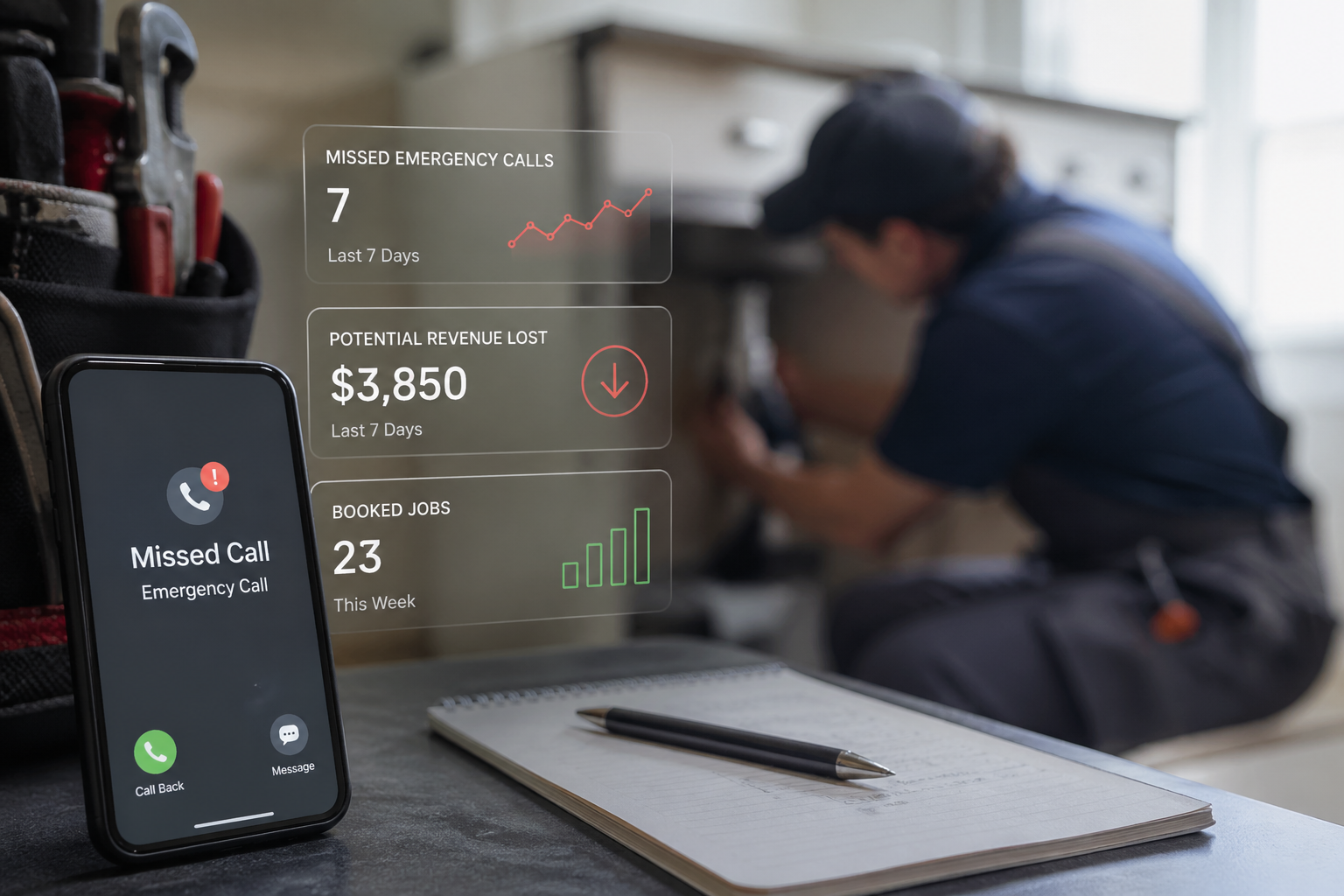
Your startup just landed its first major press mention. Investors are calling. Potential customers want demos. And you're in back-to-back meetings while your phone rings straight to voicemail.
Every missed call is a missed opportunity—and for startups operating with razor-thin margins and aggressive growth targets, those missed opportunities compound fast. Research from Harvard Business Review shows that companies responding to leads within five minutes are 100 times more likely to connect than those waiting 30 minutes. Yet the average startup takes over 24 hours to return a call.
An AI receptionist for startups solves this problem from day one. Instead of choosing between answering phones and building your product, you get an intelligent system that handles every inbound call, qualifies leads, schedules meetings, and projects the professional image of a company ten times your size.
This guide explores how early-stage companies are using AI phone systems to scale their front desk operations without scaling headcount—and why waiting to implement this technology costs more than you might think.
The Hidden Cost of Missed Calls for Early-Stage Startups
Startups face a unique communication paradox. You need every lead, every investor inquiry, and every partnership opportunity to survive. But you also need your founding team focused on product development, fundraising, and strategic growth—not answering phones.
The math is brutal. A typical B2B startup receives 50-100 inbound calls monthly during growth phases. If you're missing even 30% of those calls (industry average for small teams), and your average customer lifetime value is $5,000, you're potentially leaving $75,000-$150,000 on the table annually.
For consumer-focused startups, the numbers shift but the pain remains. A direct-to-consumer brand fielding 200+ monthly inquiries about orders, returns, and product questions can't afford to let those calls ring. Each unanswered call chips away at customer trust and brand reputation you've worked hard to build.
The cost of missed calls extends beyond immediate revenue loss. Potential investors calling to discuss your pitch deck don't leave voicemails—they move on to the next opportunity. Media inquiries have deadlines. Partnership discussions happen in real-time.
Calculate Your Missed Call Revenue Loss → Free ROI Calculator
Why Traditional Solutions Fail Startups
Before exploring AI receptionists, it's worth understanding why conventional approaches fall short for early-stage companies.
Hiring a Full-Time Receptionist
The average receptionist salary runs $35,000-$45,000 annually before benefits, training, and overhead. For a startup burning through runway, that's 6-12 months of extended runway redirected to answering phones. Plus, a single receptionist can't provide 24/7 coverage—and startups with global customers or investor bases need round-the-clock availability.
Traditional Answering Services
Legacy answering services charge $200-$500 monthly for basic message-taking. But they can't integrate with your CRM, schedule meetings in your calendar, or qualify leads based on your specific criteria. They're essentially expensive voicemail with a human touch.
Founders Handling Calls
This is the default for most early-stage startups—and it's unsustainable. Every hour your technical co-founder spends on the phone is an hour not spent on product development. Every sales call your CEO takes personally is time away from fundraising and strategy.
The comparison between AI receptionists and human receptionists reveals a stark reality: startups need enterprise-level phone coverage on a bootstrap budget. That's exactly what AI delivers.
How AI Receptionists Transform Startup Operations
An AI receptionist functions as an intelligent phone system that answers calls, understands caller intent, and takes appropriate action—all without human intervention.
Instant Professional Credibility
First impressions matter enormously for startups. When a potential enterprise customer calls and reaches a professional, responsive system that immediately addresses their needs, you project stability and competence. When they hit voicemail or endless ringing, they question whether you're ready for their business.
A seed-stage SaaS company in Austin implemented AI reception and reported that enterprise prospects specifically mentioned their "impressive phone system" during sales calls. That perception of professionalism directly influenced close rates.
24/7 Lead Capture Without 24/7 Staff
Startups operate globally by default. Your customers, investors, and partners span time zones. An AI receptionist ensures every call gets answered—whether it's a midnight inquiry from a European prospect or an early-morning call from an Asian distributor.
The system captures caller information, understands their needs, and either resolves their inquiry immediately or schedules a callback during business hours. No lead falls through the cracks because your team was asleep.
Intelligent Call Qualification
Not every call deserves founder attention. An AI receptionist can qualify leads based on criteria you define—company size, budget range, use case, timeline—and route only qualified opportunities to your team.
A fintech startup configured their AI to ask three qualifying questions: company revenue, current payment processing volume, and implementation timeline. Calls meeting threshold criteria got immediately transferred to sales. Others received helpful information and a follow-up email. This filtering saved their two-person sales team 15 hours weekly.
Essential Features for Startup AI Receptionists
When evaluating AI phone systems for small businesses, startups should prioritize specific capabilities that match their growth trajectory.
CRM and Tool Integration
Your AI receptionist should sync seamlessly with existing tools. Look for native integrations with popular startup CRMs like HubSpot, Salesforce, and Pipedrive. Calendar integration with Google Calendar and Calendly ensures scheduled meetings appear automatically. The CRM integration capabilities eliminate manual data entry and keep your systems synchronized.
Customizable Call Flows
Startups pivot constantly. Your AI receptionist needs to adapt just as quickly. The ability to modify scripts, update qualifying questions, and adjust routing rules without technical support ensures your phone system evolves with your business.
Scalable Pricing
Early-stage startups need pricing that grows with usage. Avoid systems requiring enterprise commitments or charging premium rates for basic features. The ideal structure starts affordable for low call volumes and scales predictably as your business grows.
Analytics and Insights
Data-driven startups need data-driven phone systems. Look for call analytics dashboards that reveal call volumes, peak times, common inquiries, and conversion rates. These insights inform everything from staffing decisions to product development.
Multilingual Support
If your startup serves diverse markets, multilingual AI receptionist capabilities eliminate language barriers. The system detects caller language and responds appropriately—critical for startups with international ambitions.
Implementation: From Setup to Live in Hours
Modern AI receptionists deploy remarkably fast. Unlike traditional phone systems requiring hardware installation and weeks of configuration, cloud-based AI solutions can go live the same day.
Step 1: Connect Your Phone System
Most AI receptionists work with existing phone numbers through simple call forwarding. No need to change numbers your customers and investors already know. The setup process typically takes under 10 minutes.
Step 2: Configure Your Greeting and Brand Voice
Customize how your AI introduces itself and represents your brand. Startup-friendly systems offer voice personality options ranging from professional and formal to friendly and conversational. You can even customize your AI voice assistant to match your brand tone.
Step 3: Define Call Handling Rules
Specify what happens for different call types. Sales inquiries might transfer immediately during business hours. Support questions could trigger FAQ responses. Investor calls might route to a dedicated founder line. Partnership inquiries could schedule discovery calls automatically.
Step 4: Integrate Your Tools
Connect your CRM, calendar, and other business tools. This ensures caller information flows automatically into your systems and scheduled meetings appear where your team expects them.
Step 5: Test and Refine
Make test calls to verify the experience matches your expectations. Adjust scripts, routing rules, and responses based on real interactions. Most startups iterate their configuration weekly during the first month, then monthly thereafter.
Start Your Free 14-Day Trial → No Credit Card Required
Real Results: Startups Winning with AI Reception
Anonymous case studies reveal the tangible impact AI receptionists deliver for early-stage companies.
Case Study: B2B SaaS Startup (Seed Stage)
A four-person SaaS team in Denver struggled with lead response times. Founders juggling product development and sales couldn't answer calls consistently. After implementing AI reception, their average response time dropped from 4 hours to instant. Qualified lead capture increased 340% in the first quarter. The founders estimated the $99 monthly investment generated over $50,000 in new annual recurring revenue.
Case Study: E-commerce Brand (Pre-Series A)
A direct-to-consumer brand receiving 300+ monthly customer calls was drowning in support inquiries. Their AI receptionist now handles 78% of calls autonomously—providing order status, processing simple returns, and answering FAQs. The remaining 22% (complex issues requiring human attention) route to their small support team with full context. Customer satisfaction scores improved 23%.
Case Study: Professional Services Startup (Bootstrapped)
A two-person consulting firm needed enterprise credibility for corporate clients. Their AI receptionist answers calls professionally, schedules discovery calls directly into consultant calendars, and sends automated follow-ups. Partners report closing 40% more enterprise deals since implementation—largely attributed to the professional first impression.
Comparing AI vs. Other Startup Phone Solutions
Understanding how AI receptionists stack against alternatives helps clarify the value proposition.
| Feature | AI Receptionist | Human Receptionist | Answering Service | Voicemail |
|---|---|---|---|---|
| Monthly Cost | $99-$299 | $3,500+ | $200-$500 | $0 |
| 24/7 Availability | ✓ | ✗ | Limited | ✓ |
| Lead Qualification | ✓ | ✓ | Basic | ✗ |
| Calendar Integration | ✓ | Manual | ✗ | ✗ |
| CRM Sync | Automatic | Manual | ✗ | ✗ |
| Scalability | Instant | Weeks to hire | Limited | N/A |
| Consistent Quality | Always | Variable | Variable | N/A |
The complete comparison between AI, IVR, and live answering services provides deeper analysis for startups evaluating options.
Common Concerns Addressed
Startup founders often raise specific concerns about AI reception. Here's how leading solutions address them.
"Will callers know it's AI?"
Modern AI receptionists use natural language processing that creates remarkably human conversations. Most callers can't distinguish AI from human agents. More importantly, callers care about getting their needs met quickly—which AI does exceptionally well.
"What about complex calls?"
AI handles routine inquiries autonomously and seamlessly transfers complex situations to humans. The system provides full context to the receiving team member, so callers never repeat themselves. This hybrid approach combines AI efficiency with human judgment.
"Can it handle our specific industry?"
AI receptionists adapt to virtually any industry through customization. Whether you're a healthcare startup requiring HIPAA compliance, a legal tech company needing confidentiality, or a real estate platform managing property inquiries, the system configures to your requirements.
"What if we outgrow it?"
AI receptionists scale infinitely. Whether you're handling 50 calls monthly today or 5,000 monthly next year, the system adapts automatically. Pricing typically scales with usage, so you're never overpaying for capacity you don't need.
The Competitive Advantage of Early Adoption
Startups competing against established players need every advantage. An AI receptionist levels the playing field in several critical ways.
First, you project enterprise credibility without enterprise costs. When a prospect calls and experiences professional, immediate service, they don't know (or care) that you're a five-person team working from a co-working space.
Second, you capture opportunities competitors miss. While other startups let calls ring to voicemail, you're booking meetings and qualifying leads in real-time.
Third, you free your team for high-value work. Every hour saved on phone administration is an hour available for product development, customer success, or strategic growth.
The cost of bad customer service compounds quickly for startups building reputation from scratch. Early investment in professional phone handling pays dividends throughout your growth journey.
Getting Started: Your Next Steps
Implementing an AI receptionist for your startup takes minimal time and delivers immediate impact. Here's your action plan:
This Week:
- Audit your current call handling—how many calls are you missing?
- Calculate the revenue impact using our ROI calculator
- Start a free trial to experience AI reception firsthand
This Month:
- Configure your AI receptionist with custom scripts and routing
- Integrate with your CRM and calendar tools
- Train your team on the new system and escalation procedures
Ongoing:
- Review analytics weekly to optimize performance
- Update scripts and routing as your business evolves
- Scale usage as call volumes grow
The startups winning in 2025 and beyond aren't choosing between growth and customer experience. They're using AI to deliver both—professionally handling every call while their teams focus on building the future.
Your front desk shouldn't be a bottleneck. It should be a competitive advantage.