Running a small business means wearing multiple hats, and answering phone calls often falls to the bottom of your priority list. Yet every missed call could be a lost customer, a frustrated client, or a missed opportunity. This is where AI phone agents are transforming how small businesses handle customer communications in 2025.
What Is an AI Phone Agent for Small Business?
An AI phone agent for small business is an artificial intelligence system that handles incoming and outgoing phone calls for your business. Unlike traditional automated phone systems that rely on rigid menus and pre-recorded messages, modern AI phone agents use conversational AI to understand natural language, respond intelligently to questions, and complete tasks just like a human receptionist would.
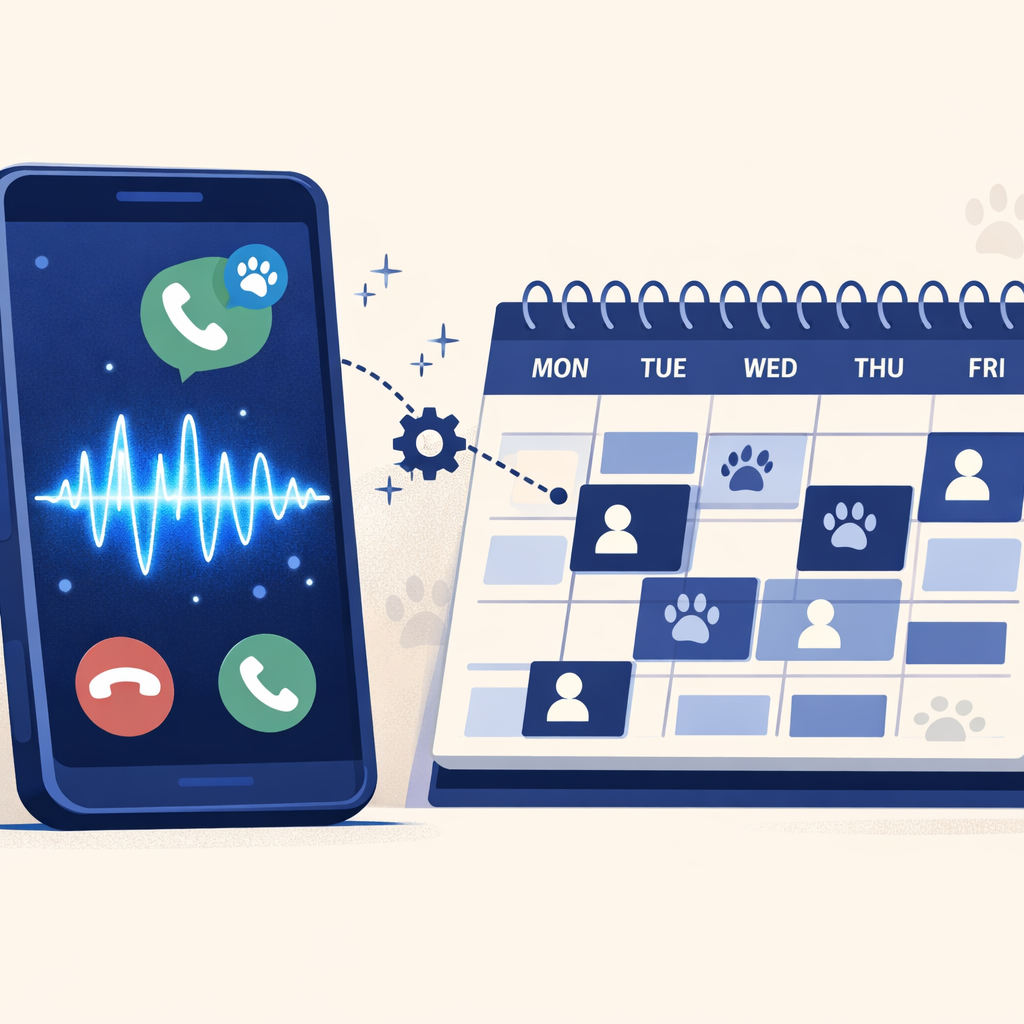
These virtual phone assistants can schedule appointments, answer frequently asked questions, route calls to the right department, take messages, and even process simple transactions. The technology has matured significantly, with AI agents now capable of handling complex conversations while maintaining a natural, professional tone that reflects your brand.
Why Small Businesses Are Adopting AI Phone Agents
The shift toward AI phone agents isn't just about keeping up with technology trends. Small businesses are discovering tangible benefits that directly impact their bottom line and customer satisfaction.
Never miss another call
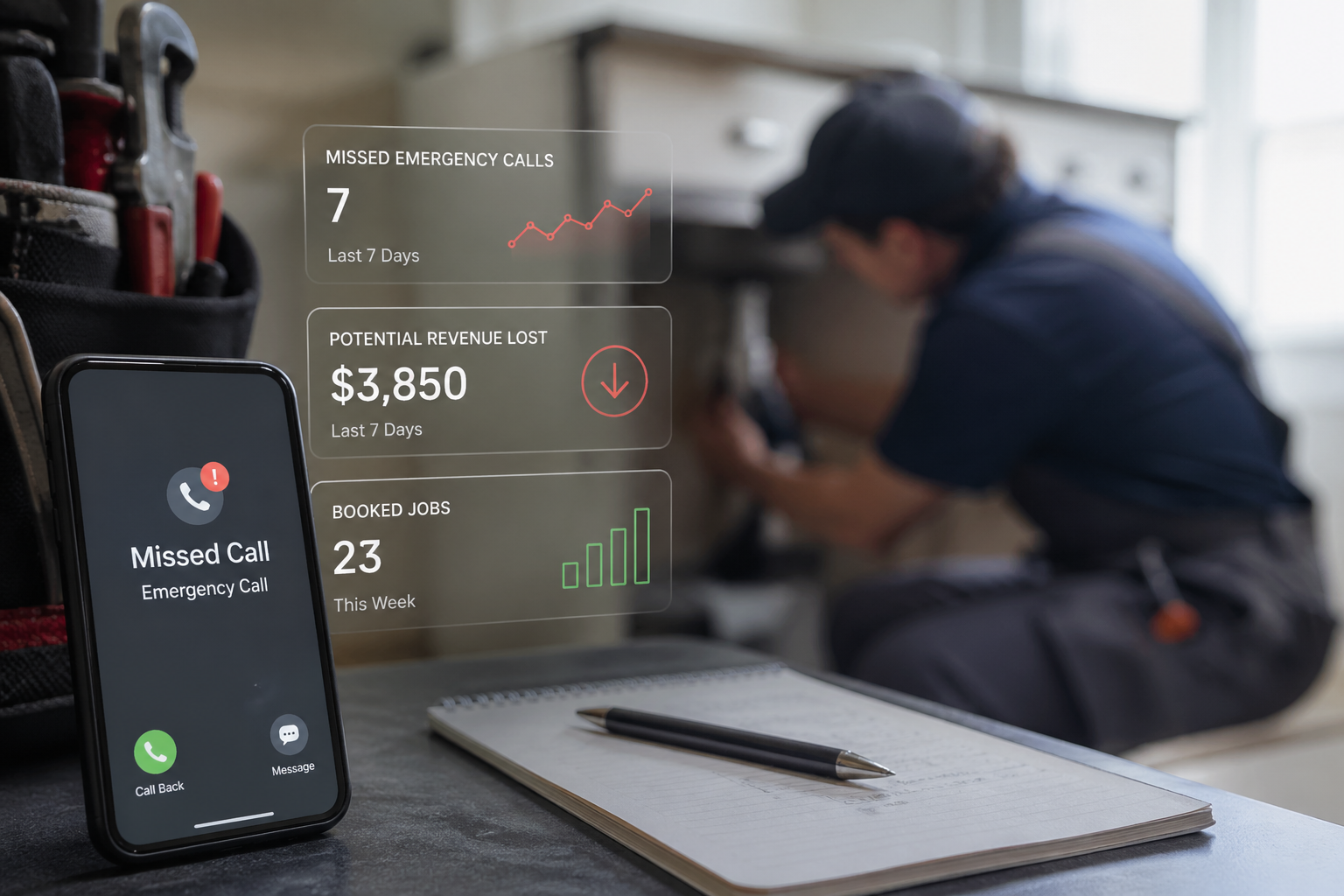
Small business owners know the pain of missing important calls while serving customers, in meetings, or after hours. A virtual phone assistant ensures every call is answered promptly, 24 hours a day, seven days a week. This constant availability means you're capturing leads and serving customers even when you're closed, giving you a competitive edge over businesses that rely solely on voicemail.
Reduce operational costs
Hiring a full-time receptionist costs between $30,000 to $45,000 annually when you factor in salary, benefits, training, and overhead. An AI phone agent for small business typically costs a fraction of that, often between $50 to $500 per month depending on call volume and features. For businesses that can't justify a full-time position but need consistent phone coverage, this cost difference is transformative.
Scale during busy periods
Unlike human staff who can only handle one call at a time, AI phone agents can manage multiple simultaneous conversations. During peak hours, promotional periods, or unexpected surges in demand, your virtual phone assistant scales instantly without putting callers on hold or forcing them to voicemail.
Improve customer experience
Today's customers expect immediate responses. Studies show that 75% of customers believe it takes too long to reach a live agent, and 67% have hung up the phone out of frustration when they couldn't reach a real person. AI phone agents eliminate wait times and provide instant, accurate information, leading to higher customer satisfaction scores.
Free up time for high-value work
When an AI system handles routine inquiries and administrative calls, you and your team can focus on tasks that actually grow your business. Instead of playing phone tag or answering the same questions repeatedly, you're serving customers, developing products, or building relationships.
Key Features to Look for in a Virtual Phone Assistant
Not all AI phone agents are created equal. When evaluating solutions for your small business, these features separate adequate systems from exceptional ones.
Natural conversation ability
This is the foundation of a good AI phone agent. The system should understand context, handle interruptions, recognize different accents and speech patterns, and maintain conversational flow even when customers phrase questions in unexpected ways. Test any system with real-world scenarios before committing.
Integration capabilities
Integration determines how well the AI phone agent fits into your existing workflow. The best virtual phone assistants connect seamlessly with your calendar for appointment scheduling, sync with your CRM to access customer information, integrate with your help desk or ticketing system, and work with your existing phone system or VoIP provider.
Customization options
Customization allows you to tailor the AI to your specific business needs. Look for systems that let you customize the voice and tone to match your brand personality, program specific responses for your industry and services, create custom workflows for different call types, and set business rules for call routing and escalation.
Intelligent call routing
Smart routing ensures complex issues reach the right human team member. Your AI phone agent should recognize when a call needs human intervention, route calls based on customer history and needs, respect your team's availability and schedule, and transfer calls smoothly with context preserved.
Analytics and reporting
Robust analytics provide insights into your phone operations. Quality systems track call volume and patterns, identify common customer questions and issues, measure customer satisfaction, show conversion rates from calls to appointments or sales, and highlight areas where the AI might need improvement.
Multilingual support
Multilingual capabilities are increasingly important for small businesses serving diverse communities. If you serve customers who speak multiple languages, ensure your virtual phone assistant can handle those conversations naturally.
How AI Phone Agents Work: The Technology Behind the Calls
Understanding the technology helps you set realistic expectations and choose the right solution. Modern AI phone agents combine several sophisticated technologies working together.
The conversation begins with speech recognition, where the AI converts spoken words into text it can process. Modern systems use advanced speech-to-text technology that handles background noise, different accents, speaking speeds, and industry-specific terminology with impressive accuracy.
Natural language processing (NLP) is where the AI understands the meaning and intent behind the words. It's not just matching keywords—it's comprehending context, detecting the emotional tone, understanding follow-up questions, and recognizing when someone is frustrated or confused.
The AI accesses your business knowledge base, which contains information about your products, services, policies, and procedures. When properly configured, the AI draws from this knowledge to provide accurate, consistent answers that align with your business practices.
Response generation creates appropriate replies. The best systems don't just retrieve pre-written responses but generate natural, contextual answers that feel conversational while maintaining accuracy and professionalism.
Finally, text-to-speech technology converts the AI's response back into natural-sounding speech. Modern voice synthesis has improved dramatically, with options for different voices, speaking styles, and even emotional inflections that make conversations feel more human.
Real-World Applications: How Small Businesses Use AI Phone Agents
Different industries are finding creative ways to leverage virtual phone assistants. Here's how various small businesses are putting this technology to work.
Medical and dental practices
Healthcare providers use AI phone agents to handle the high volume of appointment-related calls they receive. The virtual assistant schedules new appointments, confirms upcoming visits, handles cancellations and reschedules, answers questions about office hours and locations, and provides directions and parking information. For healthcare providers, this reduces no-shows through automated reminders and frees up front desk staff to focus on patients who are physically in the office.
Home service businesses
Plumbers, electricians, HVAC companies, and landscapers face unique challenges with emergency calls and scheduling. Their AI phone agents capture emergency service requests and route them immediately, provide pricing estimates for common services, schedule appointments based on technician availability, answer questions about service areas and specialties, and collect job details before the technician arrives.
Restaurants and food service
Food service businesses use virtual phone assistants for taking reservations, answering questions about menu items and allergens, providing hours and location information, handling takeout orders, and managing waitlist notifications.
E-commerce and retail
Retail operations deploy AI phone agents to handle order status inquiries, process returns and exchanges, answer product questions, direct customers to online resources, and capture leads for sales follow-up.
Professional services
Law firms, accountants, consultants, and real estate agents use AI systems to qualify leads before scheduling consultations, collect initial information from new clients, answer general questions about services and pricing, schedule appointments and meetings, and provide status updates on ongoing matters.
Implementing an AI Phone Agent: A Step-by-Step Approach
Successfully deploying a virtual phone assistant requires more than just signing up for a service. Follow this framework to ensure smooth implementation and adoption.
Step 1: Assess your needs
Document the types of calls you receive most frequently, identify which calls could be handled by AI versus require human attention, note peak call times and volumes, list the systems the AI needs to integrate with, and define what success looks like for your business.
Step 2: Choose the right solution
Research providers that serve your industry, test multiple options with realistic scenarios, check reviews from similar businesses, verify integration capabilities with your existing tools, and understand the pricing structure including any hidden costs.
Step 3: Configure and train the system
Provide comprehensive information about your business, program responses to common questions, set up integration with your calendar and CRM, create call routing rules, customize the voice and tone, and set up escalation paths for complex situations.
Step 4: Test thoroughly
Make test calls covering various scenarios, have team members and trusted customers try the system, verify that integrations work correctly, check the handoff process to human team members, and refine based on feedback.
Step 5: Launch gradually
Start with after-hours calls only, monitor performance closely, gather customer feedback, make adjustments as needed, and expand to more call types as confidence grows.
Step 6: Monitor and optimize
Review call recordings and transcripts regularly, analyze which questions the AI handles well and which cause confusion, update the knowledge base as your business evolves, train the AI on new products or services, and track metrics to measure improvement over time.
Common Concerns and How to Address Them
Small business owners often have reservations about AI phone agents. Here's how to think about the most common concerns.
"Will customers be frustrated talking to AI?"
This is valid, but research shows customers care more about getting quick, accurate answers than whether they're talking to a human or AI. The key is transparency and quality. If your virtual phone assistant is well-configured and handles conversations naturally, many customers won't even realize they're talking to AI. Always provide an easy option to reach a human when needed.
"What if the AI gives wrong information?"
This risk exists with human employees too. The difference is that AI phone agents are consistent. Once you've programmed correct information, the AI will provide the same accurate answer every time, unlike humans who might forget details or share outdated information. Regular audits of your AI's knowledge base minimize errors.
"Isn't this too expensive for a small business?"
Compare the cost to alternatives. A single missed lead could cost more than a month of AI phone agent service. When you factor in the cost of hiring, training, and retaining staff, AI becomes economically attractive for most small businesses with regular phone volume.
"Will this make my business feel impersonal?"
Your AI phone agent should enhance, not replace, the human touch. Use it to handle routine tasks efficiently while ensuring your team has more time for meaningful customer interactions. Many businesses find that customers appreciate quick answers to simple questions via AI, reserving their patience for complex issues that truly need human expertise.
"What about privacy and data security?"
Reputable AI phone agent providers prioritize security with encrypted communications, compliance with data protection regulations, secure storage of call recordings and transcripts, and clear data retention policies. Always review a provider's security practices before implementation.
Costs and ROI: What to Expect
Understanding the financial picture helps you make an informed decision about investing in a virtual phone assistant.
Pricing models
Entry-level plans typically cost $50 to $100 per month and include basic features, limited call minutes or volume, and standard integrations. Mid-tier plans run $300 to $500 monthly with advanced features, higher call volumes, multiple phone numbers, and priority support. Enterprise solutions for growing businesses with complex needs cost $500 to $2,000+ per month.
Most providers charge based on minutes used, number of calls handled, number of phone numbers, or features enabled. Watch for additional costs like setup fees, per-minute overage charges, premium voice options, or advanced integrations.
Calculating ROI
Consider savings on staffing costs, value of captured leads that would otherwise be missed, time saved by not answering routine calls, reduction in appointment no-shows through automated reminders, and improved customer satisfaction leading to retention and referrals.
A typical small business scenario illustrates the value. Imagine a dental practice that misses an average of three appointment bookings per day due to phone coverage gaps. If each new patient is worth $200 in initial revenue, that's $600 daily or approximately $12,000 monthly in lost opportunity. Even a $300 monthly AI phone agent that captures just half of those missed appointments delivers significant ROI.
The Future of AI Phone Agents for Small Business
The technology continues to evolve rapidly, and several trends will shape how small businesses use virtual phone assistants in the coming years.
Emotion detection and response capabilities are improving, allowing AI to recognize frustration, confusion, or urgency in a caller's voice and adjust its approach accordingly. This emotional intelligence will make interactions feel more natural and empathetic.
Proactive outreach is expanding beyond inbound calls. AI phone agents are beginning to make outbound calls for appointment reminders, follow-up surveys, payment reminders, and promotional campaigns. This gives small businesses enterprise-level capabilities without enterprise-level costs.
Deeper personalization through better integration with business data means AI agents will recognize returning customers, reference previous interactions, anticipate needs based on purchase history, and provide increasingly tailored experiences.
Voice biometrics for security purposes will allow AI phone agents to verify customer identity through voice patterns, adding a security layer for sensitive transactions or information requests.
Seamless omnichannel experiences are emerging where your AI assistant maintains context across phone calls, text messages, email, and chat, providing consistent service regardless of how customers choose to communicate.
Choosing the Right AI Phone Agent for Your Small Business
With numerous options available, selecting the best virtual phone assistant requires careful evaluation aligned with your specific needs.
Start with your use case. Different solutions excel at different tasks. Some specialize in appointment scheduling, others in lead qualification, and still others in customer support. Choose a system designed for your primary need.
Consider your technical comfort level. Some platforms require significant configuration and technical knowledge, while others offer turnkey solutions that work out of the box. Be honest about your team's capabilities and the time you can dedicate to setup and maintenance.
Evaluate the vendor's support and onboarding process. The best providers offer comprehensive training, responsive technical support, regular system updates, and a community of users sharing best practices.
Test before you commit. Most reputable providers offer free trials or demos. Use this opportunity to test with real scenarios from your business, evaluate the quality of conversations, check how well it handles unexpected questions, and verify that integrations work as promised.
Read the contract carefully. Understand commitment terms, cancellation policies, data ownership, and what happens to your call data if you switch providers.
Getting Started: Your Next Steps
Implementing an AI phone agent for small business doesn't have to be overwhelming. Take these practical steps to begin your journey toward better phone coverage and customer service.
First, spend a week documenting your phone calls. Note what types of calls you receive, when peak times occur, which calls are routine versus complex, and what information callers typically need. This baseline helps you understand what an AI phone agent could handle.
Next, calculate your current cost of phone management including staff time spent on calls, missed opportunities from unanswered calls, and customer satisfaction issues related to phone service. This gives you a clear ROI target.
Research three to five AI phone agent providers that serve businesses like yours. Look for case studies from your industry, compare features against your needs list, and note pricing structures.
Schedule demos or start free trials with your top two choices. Prepare realistic test scenarios and involve team members who will work with the system.
Start small with a focused implementation. Choose one specific use case like after-hours calls or appointment scheduling rather than trying to automate everything at once. Success with a limited scope builds confidence for broader implementation.
Conclusion: Embracing the AI Phone Revolution
AI phone agents represent more than just a technological upgrade. They're a fundamental shift in how small businesses can compete with larger enterprises while maintaining the personal touch that makes them special. A virtual phone assistant doesn't replace the human element of your business; it amplifies it by handling routine tasks efficiently so you and your team can focus on what humans do best: building relationships, solving complex problems, and growing your business.
The businesses that thrive in 2025 and beyond will be those that strategically blend AI efficiency with human expertise. An AI phone agent for small business isn't about cutting corners; it's about being available when your customers need you, providing consistent service, and making the most of your limited resources.
The technology is mature, the costs are accessible, and the benefits are proven. The question isn't whether AI phone agents will transform small business communications, but whether you'll be an early adopter who gains a competitive advantage or a late adopter playing catch-up.
Your next customer could be calling right now. Will you be ready to answer?